
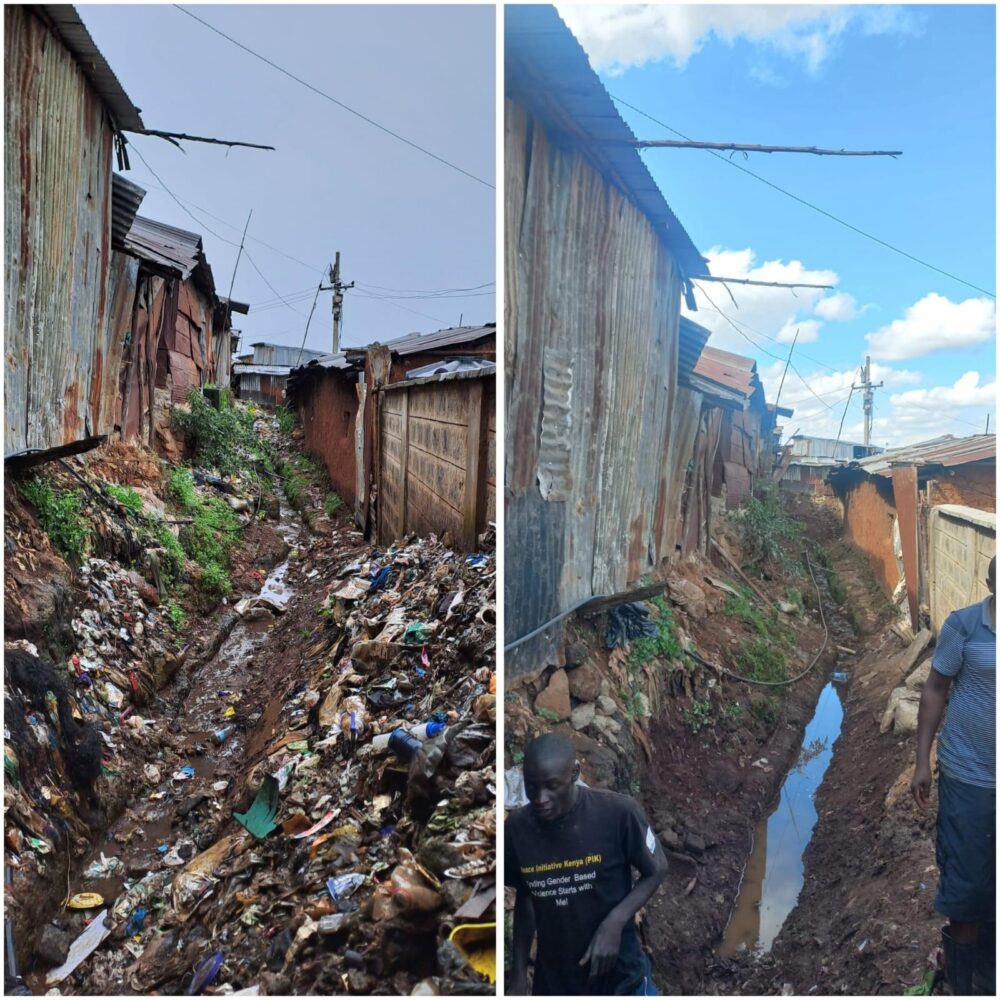
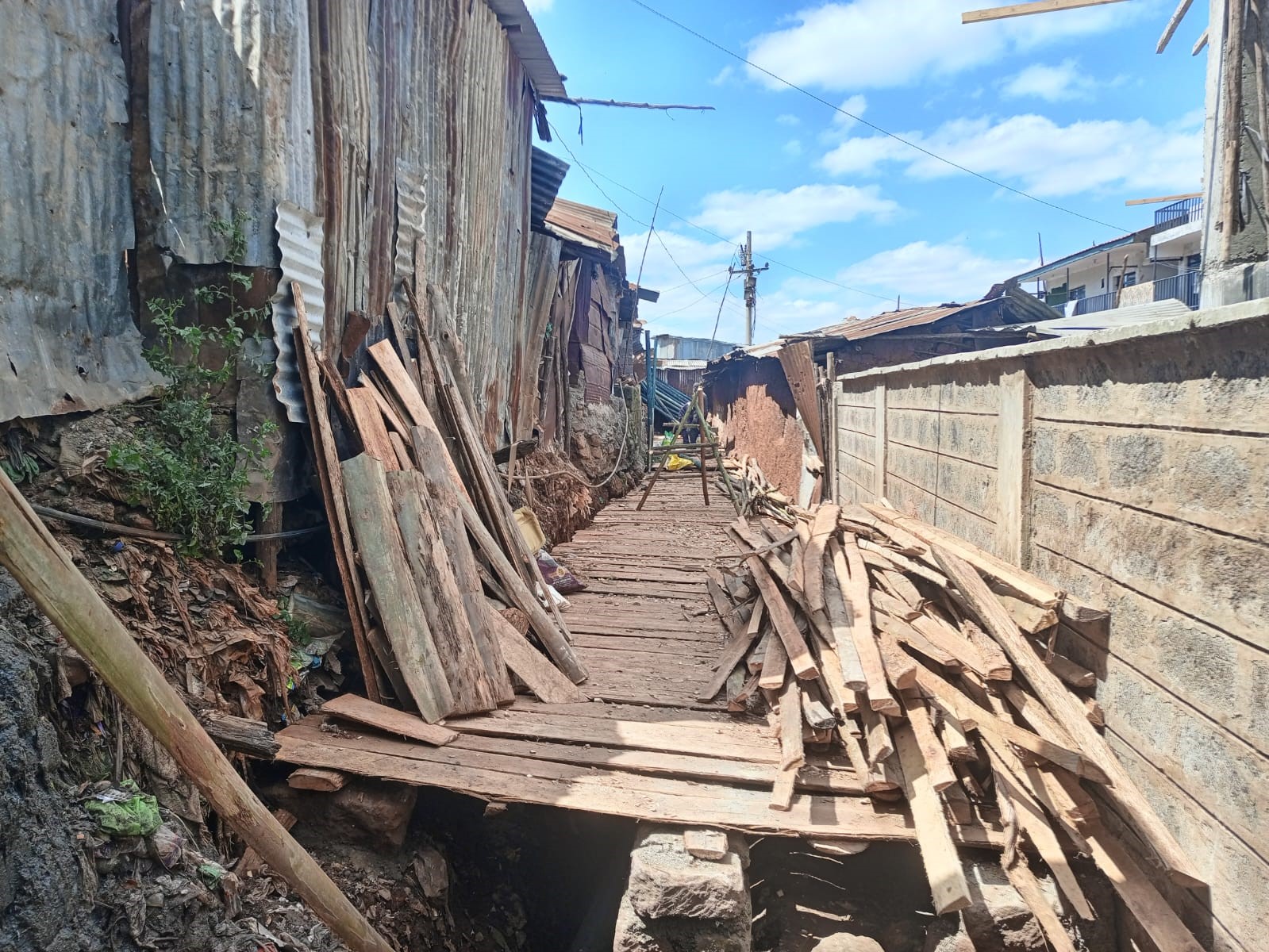
An urban farm established on a former dumpsite in Kibera? That seems challenging, but has proven to be very much possible!
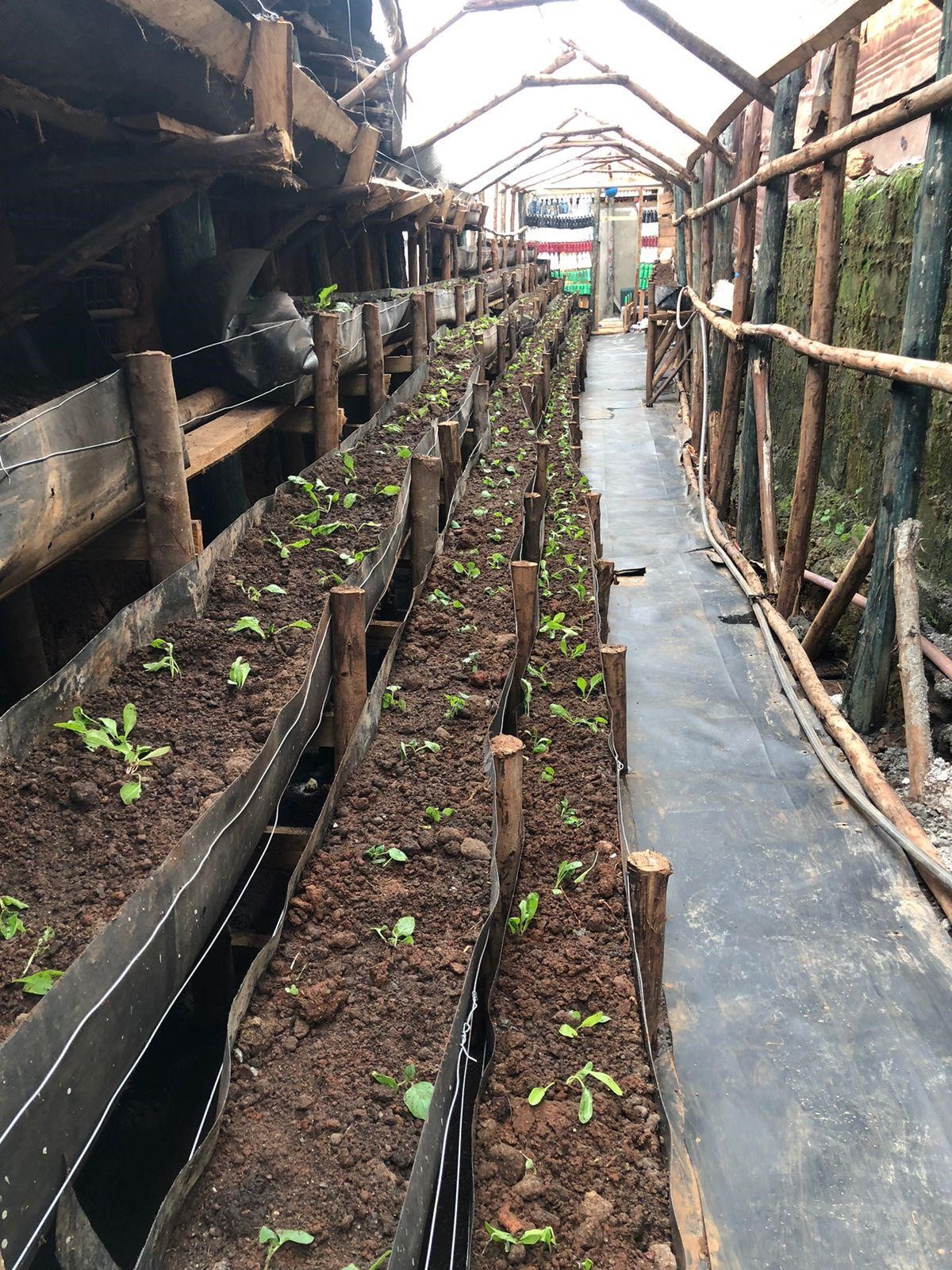
Urban farming provides alternatives for growing crops directly in the soil, which is especially important since this place was previously used as a dumpsite. Additionally, with this method it is possible to even turn small spaces into a farm. This approach, combined with the hard work and dedication of the community, has resulted in a green and lush place, in the middle of the largest urban slum in Africa: Kibera, in Nairobi, Kenya.
Although the farm is small, like urban farms often are, we believe its benefits to be large:
- improved food security for the community
- increased income by, amongst others, selling the crops
- a rare chill place surrounded by greenery
- offering a place for practical training about agriculture and taking care of the environment, for example targeting the children in Kibera
The photo gallery below shows the entire process, which took only four months! This demonstrates that by strong community engagement a lot can be achieved in a short period and it creates enthusiasm and involvement.
An impression of the project:



Want to know more?
These Q-Point experts are involved and happy to talk to you:
Feline Heussen
Consultant sustainable and inclusive agri-food chains
More about Feline
Call us at +31 (0)317 491581 or send an email to info@q-point-bv.nl
Related news
-
World Algea day!
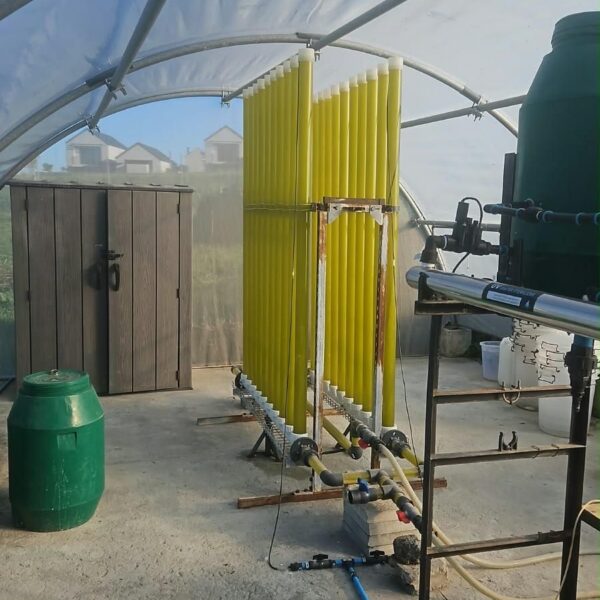
Exciting progress has been made in developing a horizontal photobioreactor (PBR) system for microalgae production.
-
Back in action!
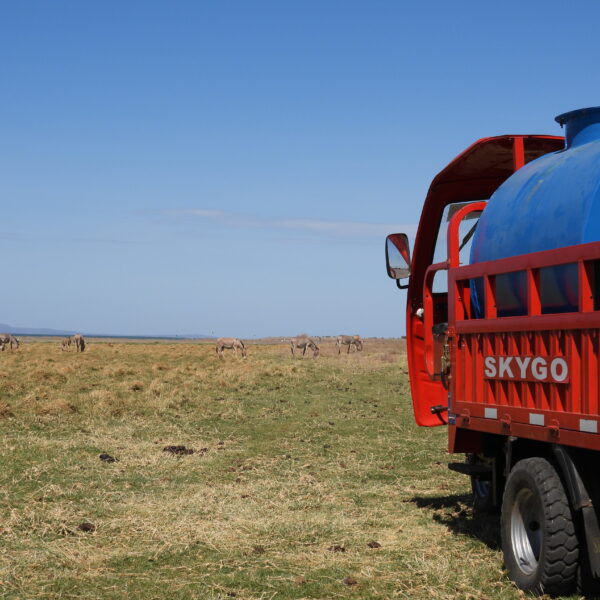
Q-Point and its partners are testing a mobile water filtration system in Kenya designed to provide clean and safe drinking water to remote communities. By training local operators and establishing community-based management, the project aims to create a sustainable and self-sufficient water solution.
-
On the road with Q-Point: Fabienne
Join Q-Point consultant Fabienne for a varied working week filled with audits, food safety, legislation and practical quality advice.

