Food product development involves many elements: nutritional value, taste, convenience, packaging, shelf life…
19 September 2023
Food product development involves many elements: nutritional value, taste, convenience, packaging, shelf life…
But with so many people as a potential customer, who all have their own preferences, a value-added food product can be difficult to develop. Many food products are still being developed with the needs of the producer in mind, whereas the consumer needs are not always being taken into account. Often this results in products not succeeding on the market because of low or no consumer demand. How to change this? By taking the consumer in mind throughout the full product development cycle, and by starting with market research!
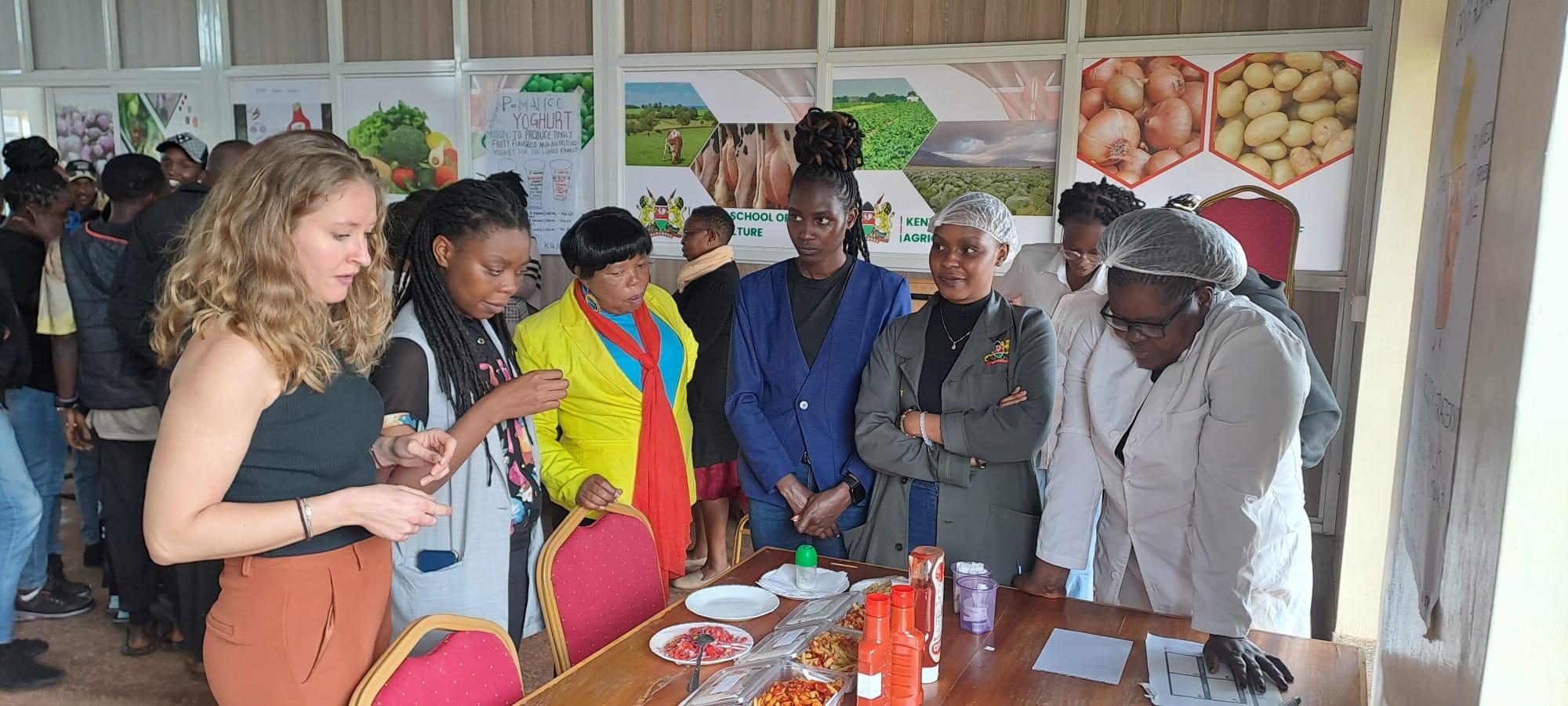
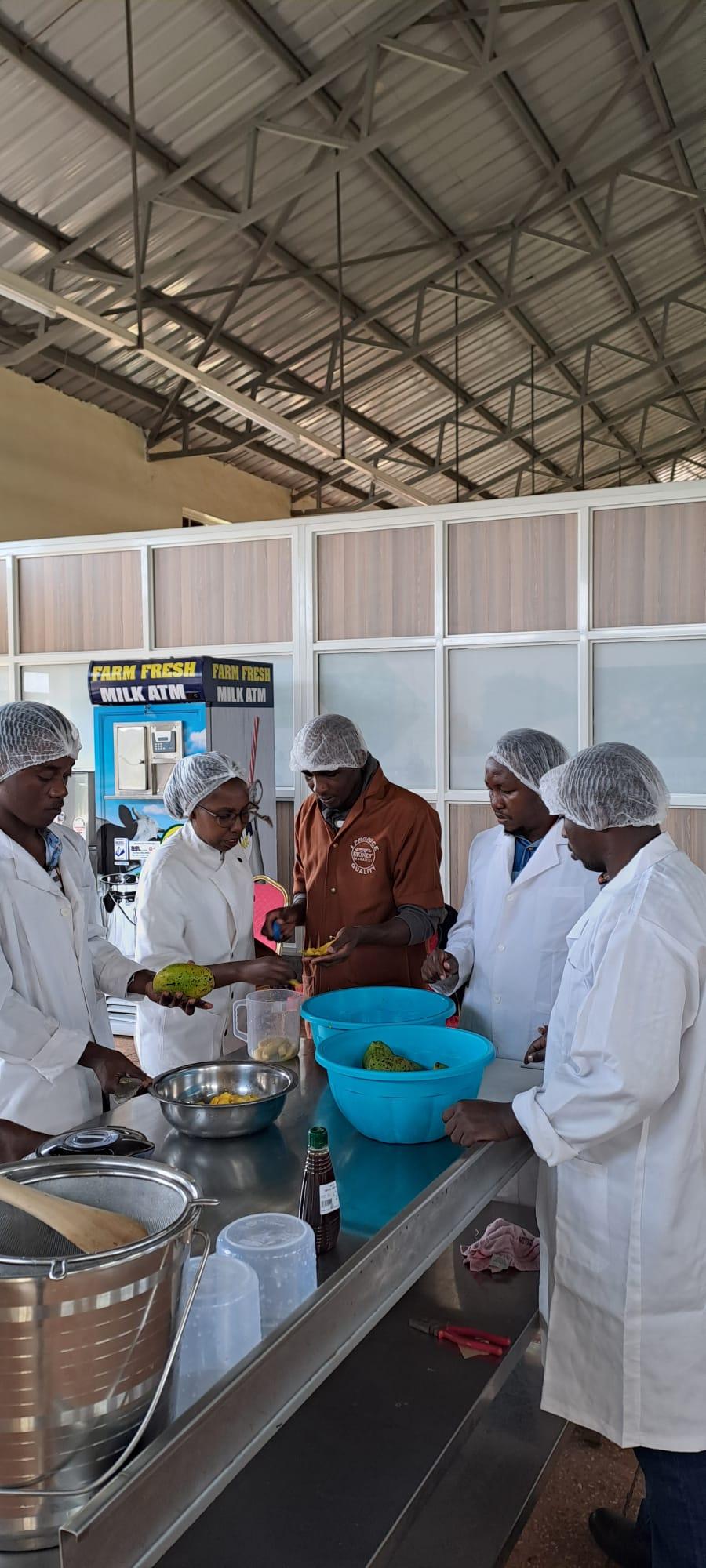
This week’s training therefore was all about market and consumer driven product development. The value addition hall of Kenya School of Agriculture in Nyeri was used for the practicals about product development with fresh fruits, vegetables, and dairy products, as part of the NUFFIC project
Teachers of KSA involved in value addition were trained to facilitate value addition trajectories to students and community members. The first day started with market and consumer research to define market opportunities, consumer insights and possible innovations and trends, in order to find out exactly what product to create, based on market-demand. After that, the participants formulated a value proposition using the consumer insights.
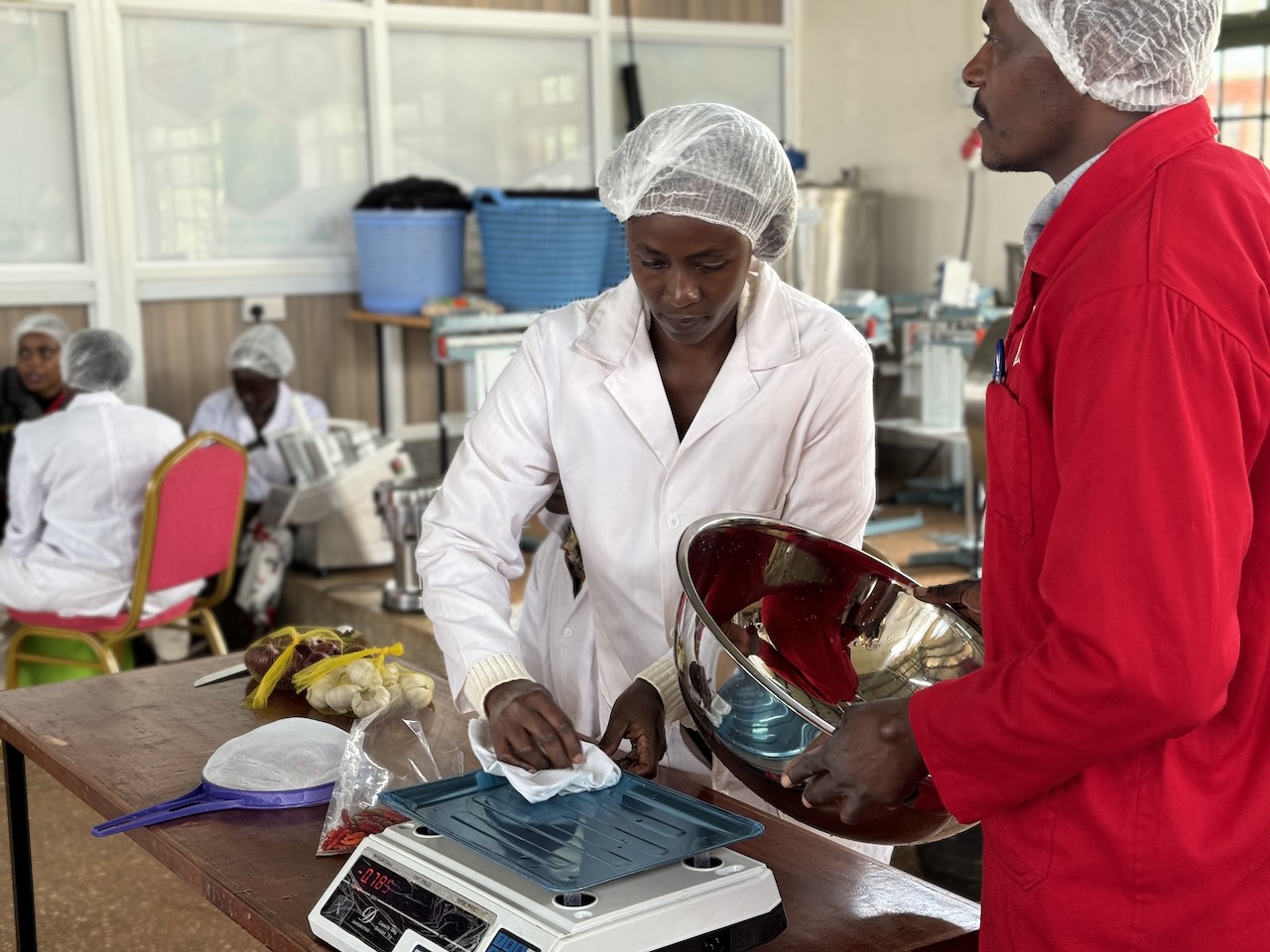
The next two days were spent in the value addition processing hall, to experiment with different product formulations and varieties, to find the best possible outcome. The participants used their creativity and tested different versions of:
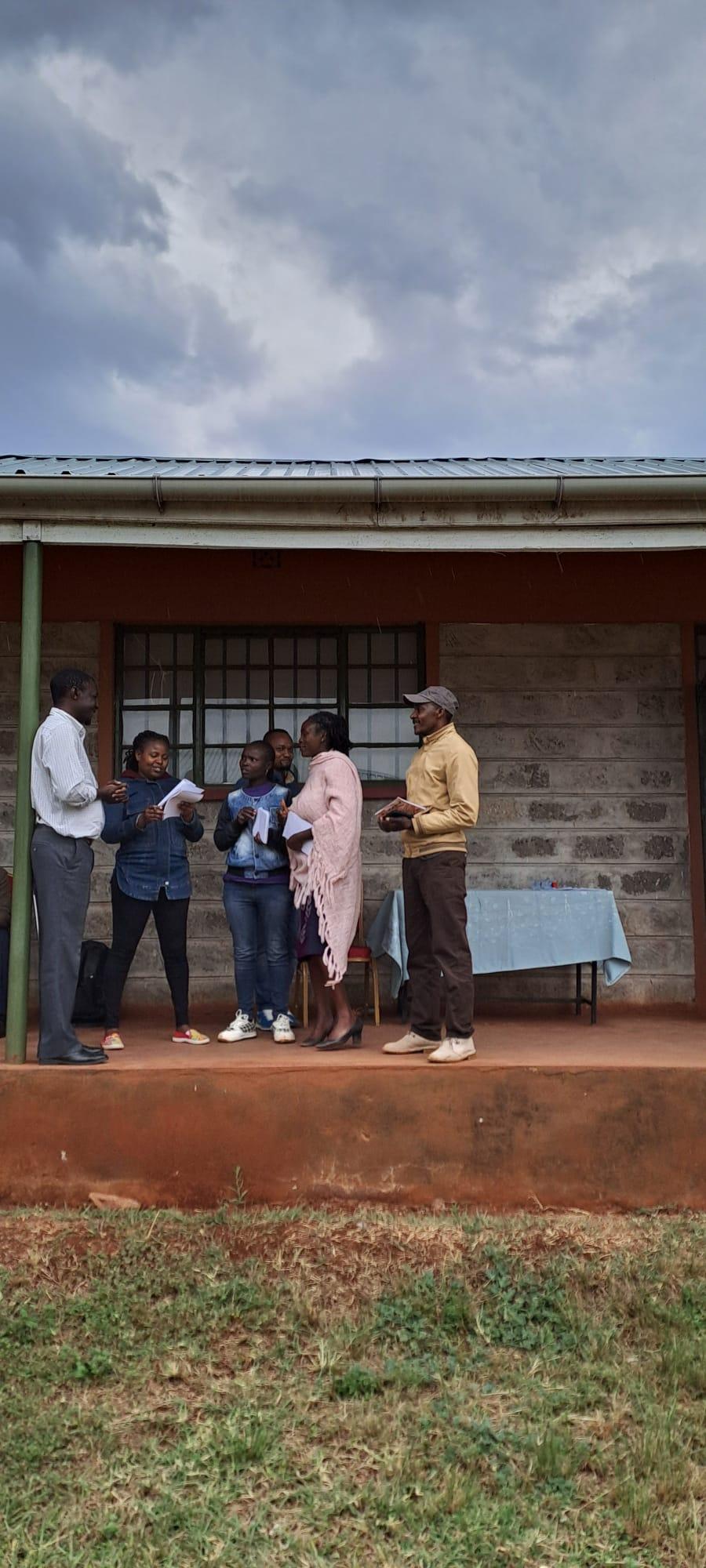
During the development process, the groups worked continuously to improve their products to prepare for the last day… On that day, the product concepts were proudly presented during a market exhibition! The group and KSA students and staff were invited to come and taste the products in real life and provide feedback for further improvement! See the results below:
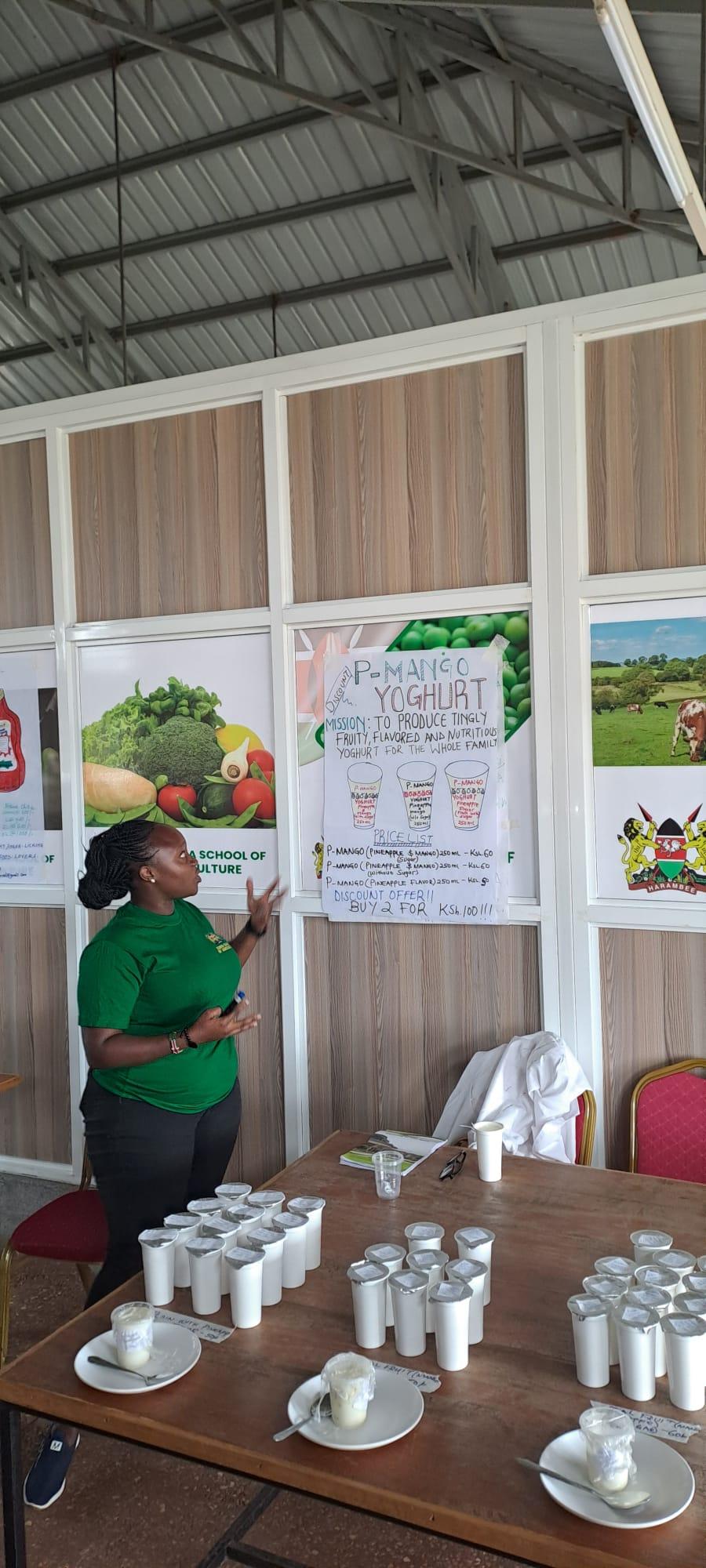
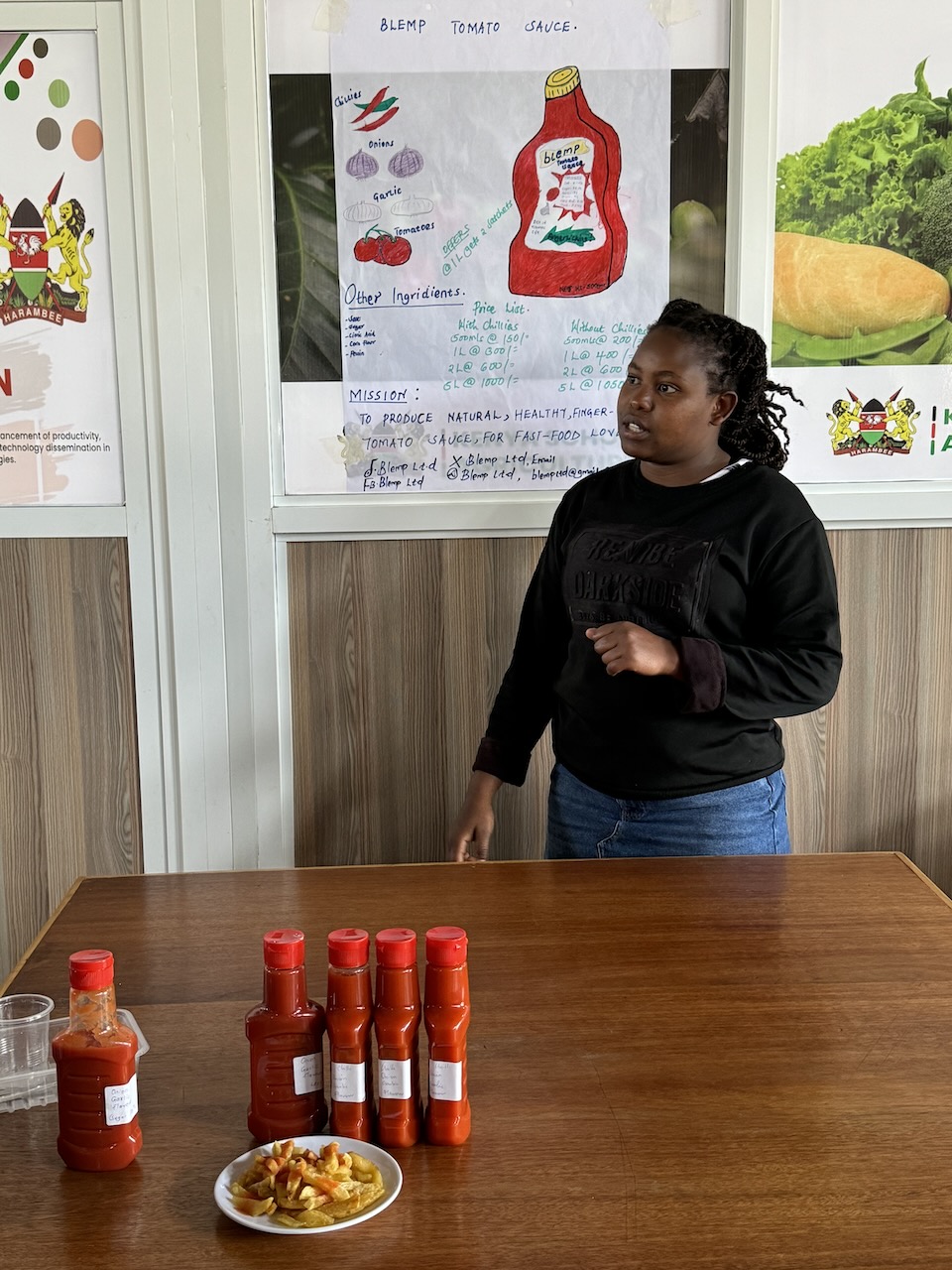
To many more food innovations happening in the surroundings of Nyeri, because this week tastes like more…
Thanks to all participants, Kenya School Of Agriculture, and Fresh Produce Exporters Association of Kenya for yet another fruitful collaboration!
These Q-Point experts are involved in the project and are happy to inform you:
Consultant sustainable and inclusive agri-food chains
More about Feline
Call us at +31 (0)317 491581 or send an email to info@q-point-bv.nl
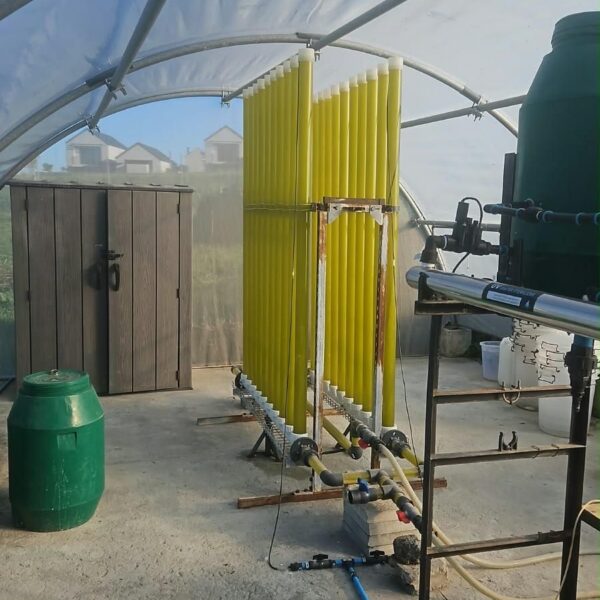
Exciting progress has been made in developing a horizontal photobioreactor (PBR) system for microalgae production.
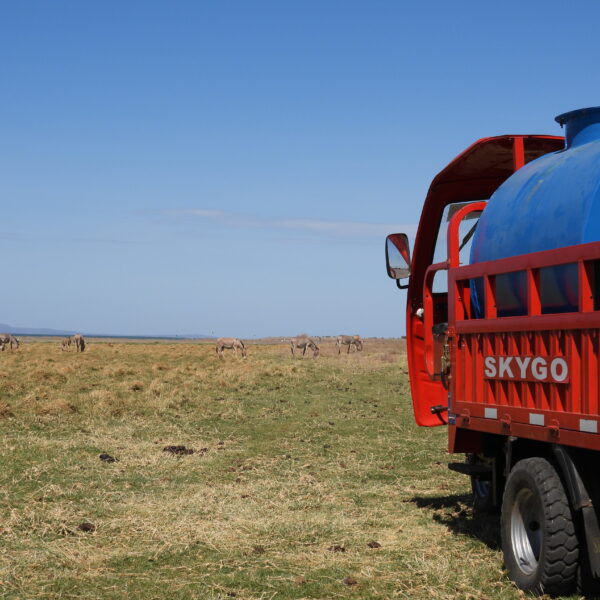
Q-Point and its partners are testing a mobile water filtration system in Kenya designed to provide clean and safe drinking water to remote communities. By training local operators and establishing community-based management, the project aims to create a sustainable and self-sufficient water solution.
Join Q-Point consultant Fabienne for a varied working week filled with audits, food safety, legislation and practical quality advice.

