
Welcome to a new edition of Issue to Insight, our recurring feature in which we share insights from quality management and food safety audits. In each edition, we highlight a key observation, non-conformity, or practical tip that can help strengthen food safety systems within your organisation.
Issue
During GMP+ audits, we regularly find that the scope stated on a certificate no longer fully reflects the activities a company actually carries out.
For example, a company may not only produce feed but also purchase and trade feed products. Other activities may include providing storage services for third parties, organising transport, or arranging transportation through external service providers. These activities are not always included in the GMP+ scope.
For companies working with animal by-products and derived products, such as Category 3 materials, confusion also arises on a regular basis. The GMP+ scope describes the activities performed within the feed chain, whereas Category 3 status relates to the legal classification, origin, and permitted end use of the material.
During audits, these two concepts are sometimes mistakenly treated as the same thing.
Insight
The changes to the GMP+ scope structure and scope descriptions introduced in March 2026 provide a good opportunity to review your certification arrangements critically.
Ask yourself:
- Do you only produce products, or do you also purchase and trade them?
- Do you store only your own products or also products belonging to third parties?
- Do you carry out transport yourself, outsource it, or simply organise it?
- Have animal by-products been correctly assessed with regard to their status, intended use, and applicable legal requirements?
- Does the scope stated on your certificate still accurately reflect your actual activities?
A current and well-substantiated scope helps prevent discussions during audits, strengthens traceability, and clearly defines which activities are covered by GMP+ certification.
In summary
- GMP+ focuses on the activity performed within the feed chain.
- Category 3 relates to the legal status of the material.
- Regularly review whether both remain properly aligned.
Curious to know more?
These Q-Point experts are involved and happy to talk to you
Monique Schoone
Senior consultant food safety systems and sustainability
More about Monique
Mark Bos
Senior consultant value chain management and quality and food safety systems
More about Mark
Call us at +31 (0)317 491581 or send an email to info@q-point-bv.nl
Related news
-
Back in action!
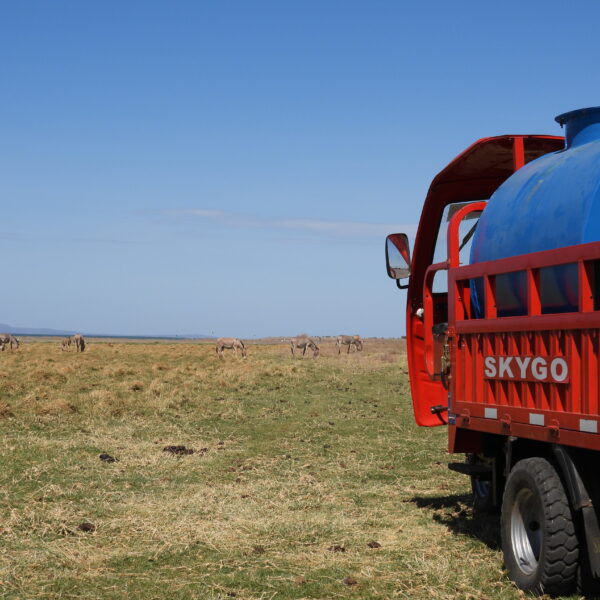
Q-Point and its partners are testing a mobile water filtration system in Kenya designed to provide clean and safe drinking water to remote communities. By training local operators and establishing community-based management, the project aims to create a sustainable and self-sufficient water solution.
-
On the road with Q-Point: Fabienne
Join Q-Point consultant Fabienne for a varied working week filled with audits, food safety, legislation and practical quality advice.

-
Another Q-Point YEP journey has started
Together with a great group of young professionals from all over the world, our colleague Maaike Broeksma finished the first training of the 2-year Young Expert Programmes (YEP).

