The impact of a highly committed and motivated team of trainees and trainers led to a successful completion of the ‘Sustainable Poultry Sector Sri Lanka’ project!
28 February 2024

The impact of a highly committed and motivated team of trainees and trainers led to a successful completion of the ‘Sustainable Poultry Sector Sri Lanka’ project!
From 24th of January to 2nd of February, cur colleague Mark Bos visited Sri Lanka together with Lisanne Oskam (van HollandDoor) to finalize the Netherlands Enterprise Agency (RVO) | Partner in Sustainable Development funded project that started in March 2022.
The main component of the project was an online and face to face Training of Trainer program for Sri Lankan extension workers and veterinarians of both the governmental-, and private sector. The intense training program (11 trainings), showed to be very beneficial to both involved trainees as well as poultry farmers in Sri Lanka. The training program resulted in development of hands-on training, training materials, advisory tools and farm management tailored for use in the Sri Lankan poultry sector!
The trainees and we:
– Covered 44 Poultry Farm management topics.
– Developed 5 Advisory & Farm management tools.
– 54 trainees implemented a full advisory service to poultry farmers.
– Successfully advised towards 54 Poultry farmers (50 – 256000 Birds) improved production, income and livelihood.
– Introduced alternative solutions for feed ingredients (Azzola, black soldier fly etc.).
The farmers indicated that frequent visits of advisors is needed for developing sustainable poultry farming.
54 motivated advisors in Sri Lanka are now ready to engage more extension workers, veterinarians and poultry farmers in experiencing the benefits of advisory on Good Poultry Farming Practices.
🐔 Healthy Birds make Happy Farmers!
A big thank you to all who made this amazing project so impactful: Vetworks, Loek de Lange, Janak K. Vidanarachchi, University of Peradeniya, Shiva Kumar, Nishan Dissanayake, Michiel van Erkel.
Read the full project report here:
These Q-Point experts are involved and are happy to talk to you:
Senior consultant value chain management and quality and food safety systems
More about Mark
Call us at +31 (0)317 491581 or send an email to info@q-point-bv.nl
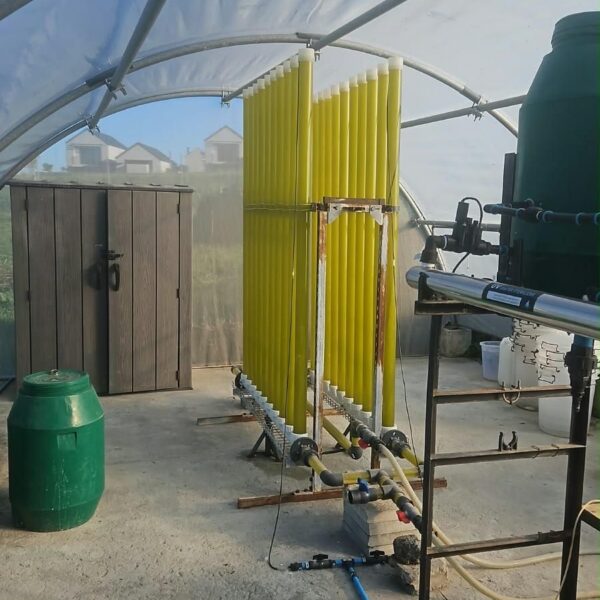
Exciting progress has been made in developing a horizontal photobioreactor (PBR) system for microalgae production.
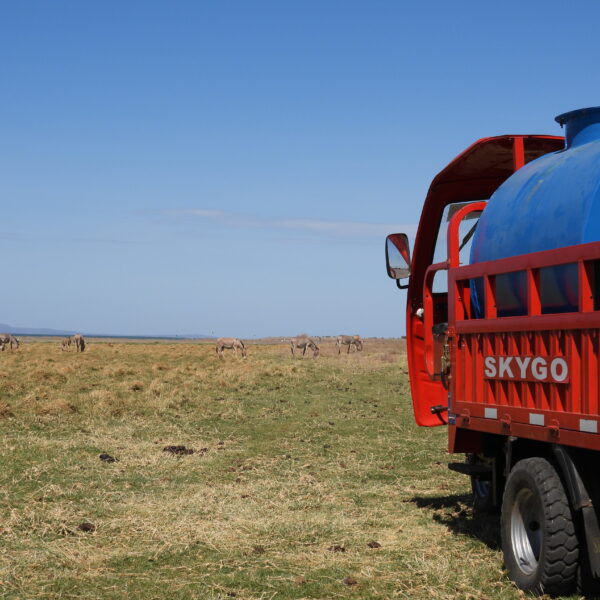
Q-Point and its partners are testing a mobile water filtration system in Kenya designed to provide clean and safe drinking water to remote communities. By training local operators and establishing community-based management, the project aims to create a sustainable and self-sufficient water solution.
Join Q-Point consultant Fabienne for a varied working week filled with audits, food safety, legislation and practical quality advice.

