Improving product quality
Dairy and avocado are a big part of Kenya’s agricultural production. Unfortunately, this does not come without its challenges. Food losses in dairy and avocado chains have huge economic and environmental implications.
To address this, the Netherlands Food Partnership’s FORQLAB project consortium partners have studied the viable options to reduce these losses and improve product quality though technological and governance solutions. After all, sharing knowledge and expertise among stakeholders is essential. The project has last week come to an end with a final knowledge exchange week in which the Dutch partners Van Hall Larensteijn College, HAS University of Applied Sciences and Aeres, were visiting Kenya and the local partners Meru University and Egerton University and farmers in the dairy and avocado sector.
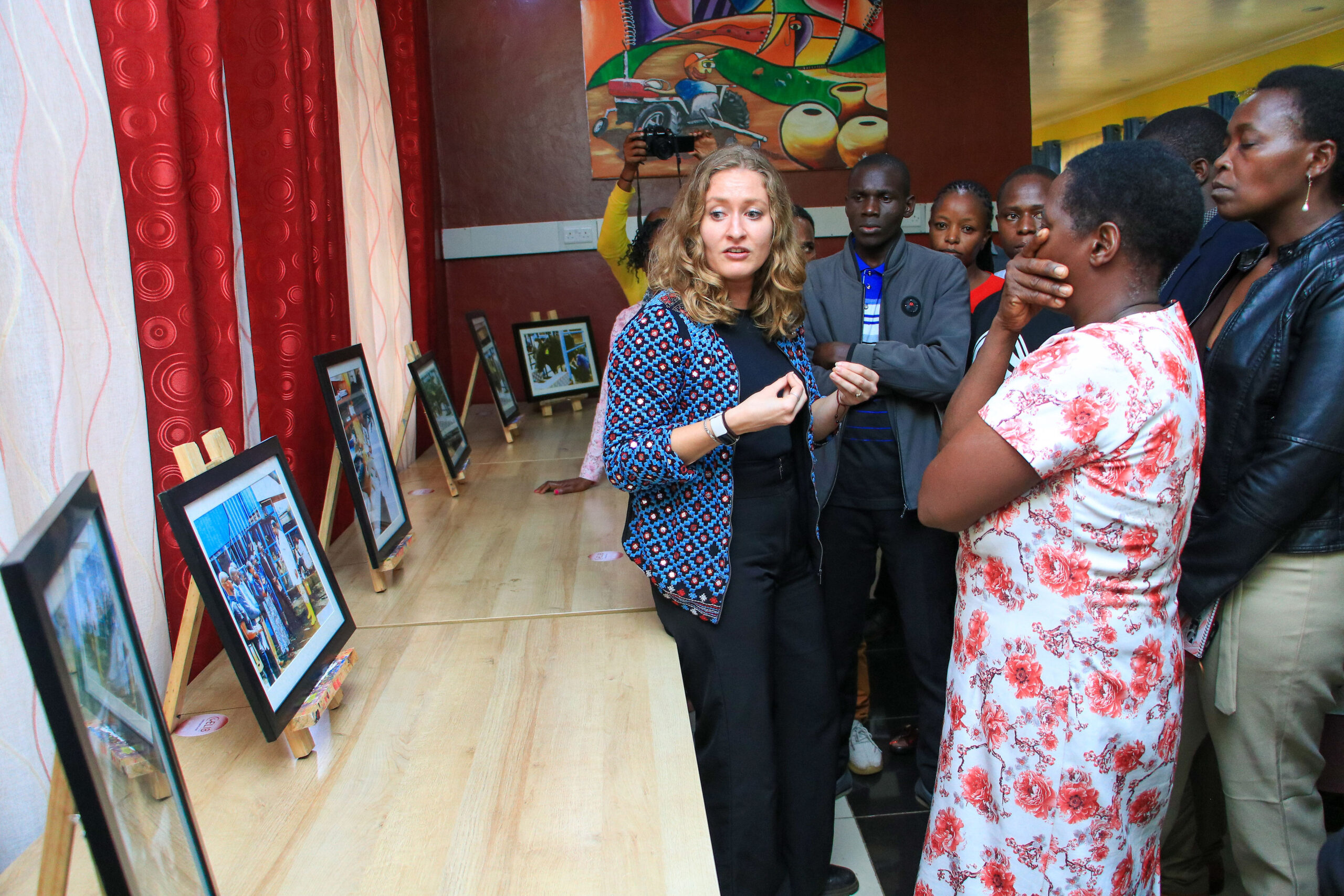
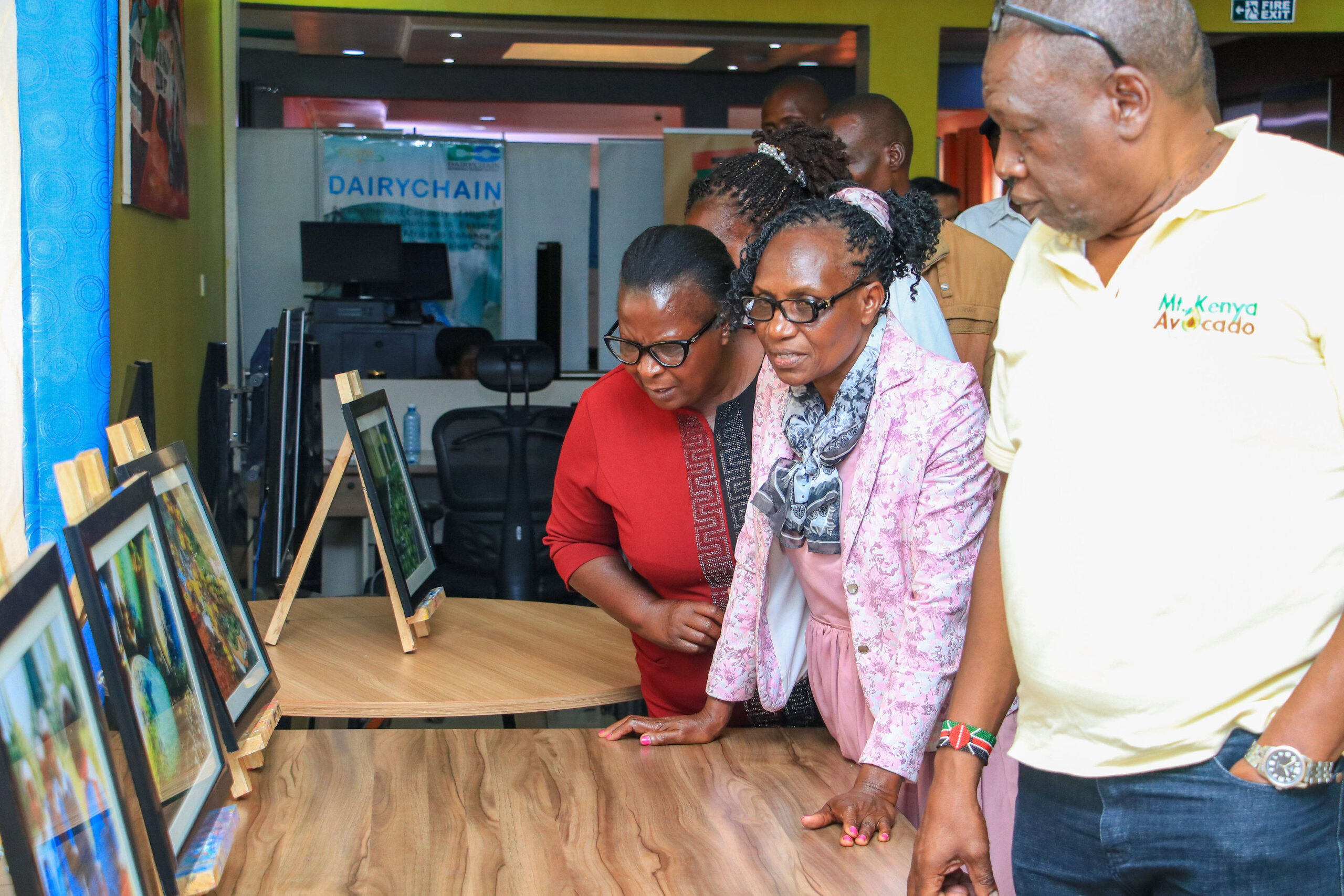
To conclude the project with a festive event, FORQLAB ended the week with an interactive session hosted by Netherlands Food Partnership and Q-Point. Together, Ken Owino and Lisa hosted a pubquiz to test the knowledge regarding losses in the avocado and dairy value chains of the involved project partners. Visual display of the challenges in both value chains was shown in forms of pictures taken by the involved participants during an exhibition at Co-Elib media center.
Of course, the winners couldn’t go home empty handed: a crate full of avocados and dairy products as prize could not be forgotten! 😉
Thank you all!
Impressie van de tentoonstelling



Related news
-
World Algea day!
Exciting progress has been made in developing a horizontal photobioreactor (PBR) system for microalgae production.
-
Back in action!
Q-Point and its partners are testing a mobile water filtration system in Kenya designed to provide clean and safe drinking water to remote communities. By training local operators and establishing community-based management, the project aims to create a sustainable and self-sufficient water solution.
-
On the road with Q-Point: Fabienne
Join Q-Point consultant Fabienne for a varied working week filled with audits, food safety, legislation and practical quality advice.

