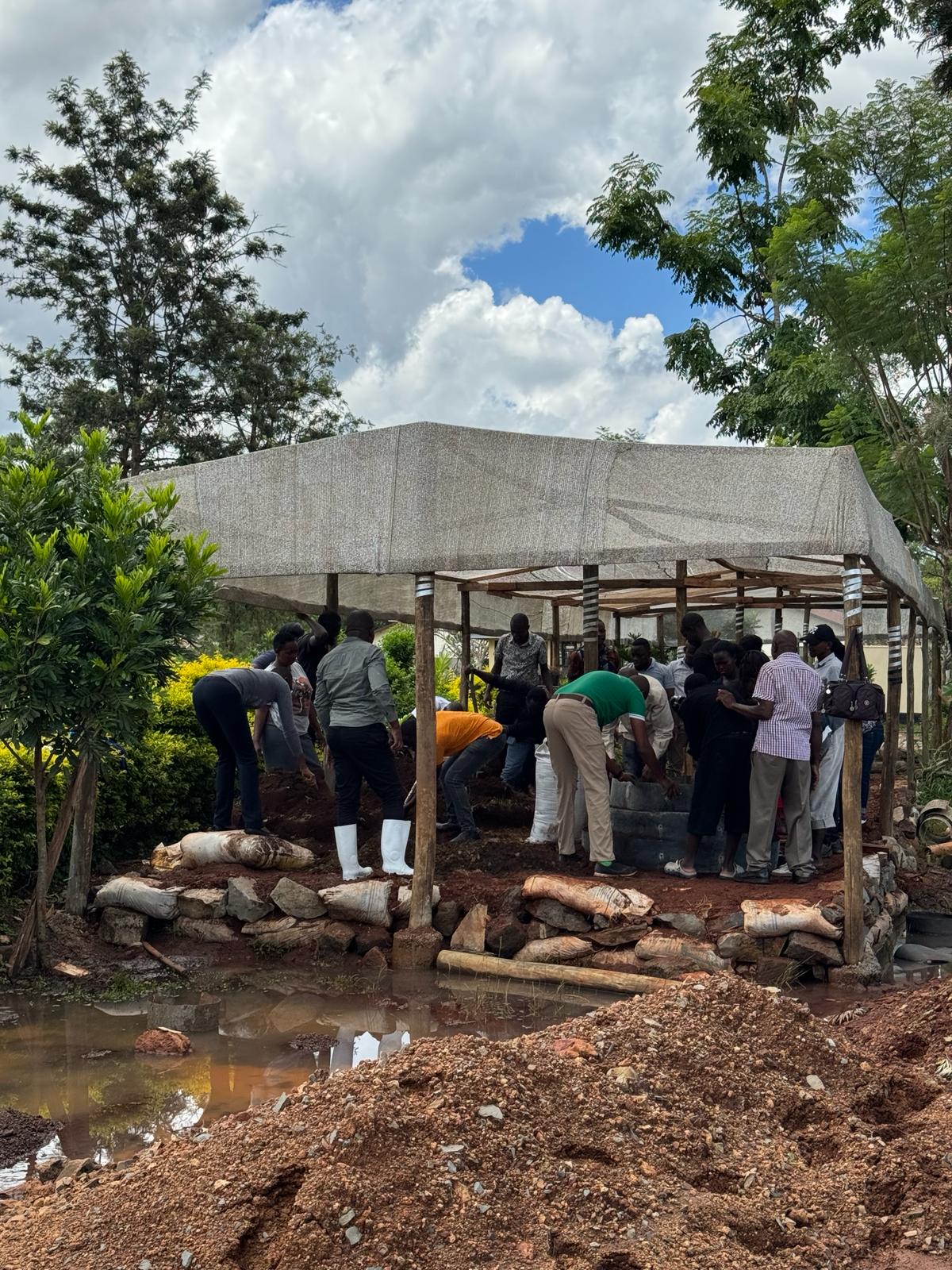
Last week’s training on Urban Farming in Thika began watery (urban farming, or urban swamping?). In the midst of the rainy season, the demo site was fully submerged and the weather challenged the participants and the team Lisa Robin Rotteveel, Francis Kamande, Derrick Ngigi, HSC and Dennis Muriithi to go old skool, with no electricity and no internet. The weather situation directly illustrated the urgency and importance of urban farming in relation to climate change.
What what the training about?
Not only does urban farming make communities and urban livelihoods more resilient to the effects of climate change, it also contributes to local empowerment by shortening production chains and creating business opportunities. The possibilities are endless: on roofs, river beds, communal land, vacant lots. But where to begin?
This week’s training guided the participants on how to start an urban farming project from scratch and how to it manage effectively.
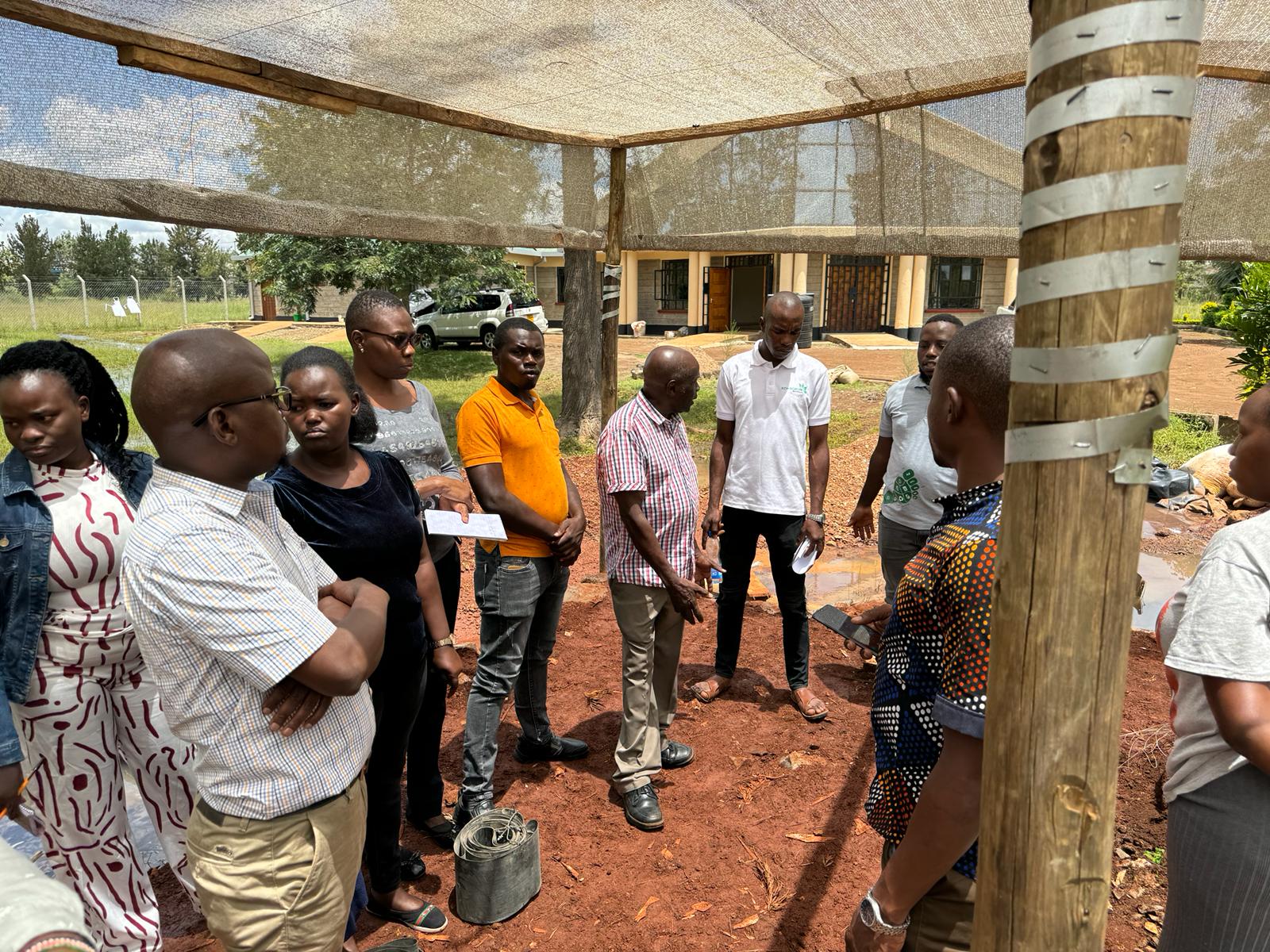
The team was a mix of trainers with years of expertise in the field in various settings and facilitated a week full of practicals on the demo plot, field visits to two urban farms in the area and the needed socio-economical context to help the participants design their own urban farming project as case study.
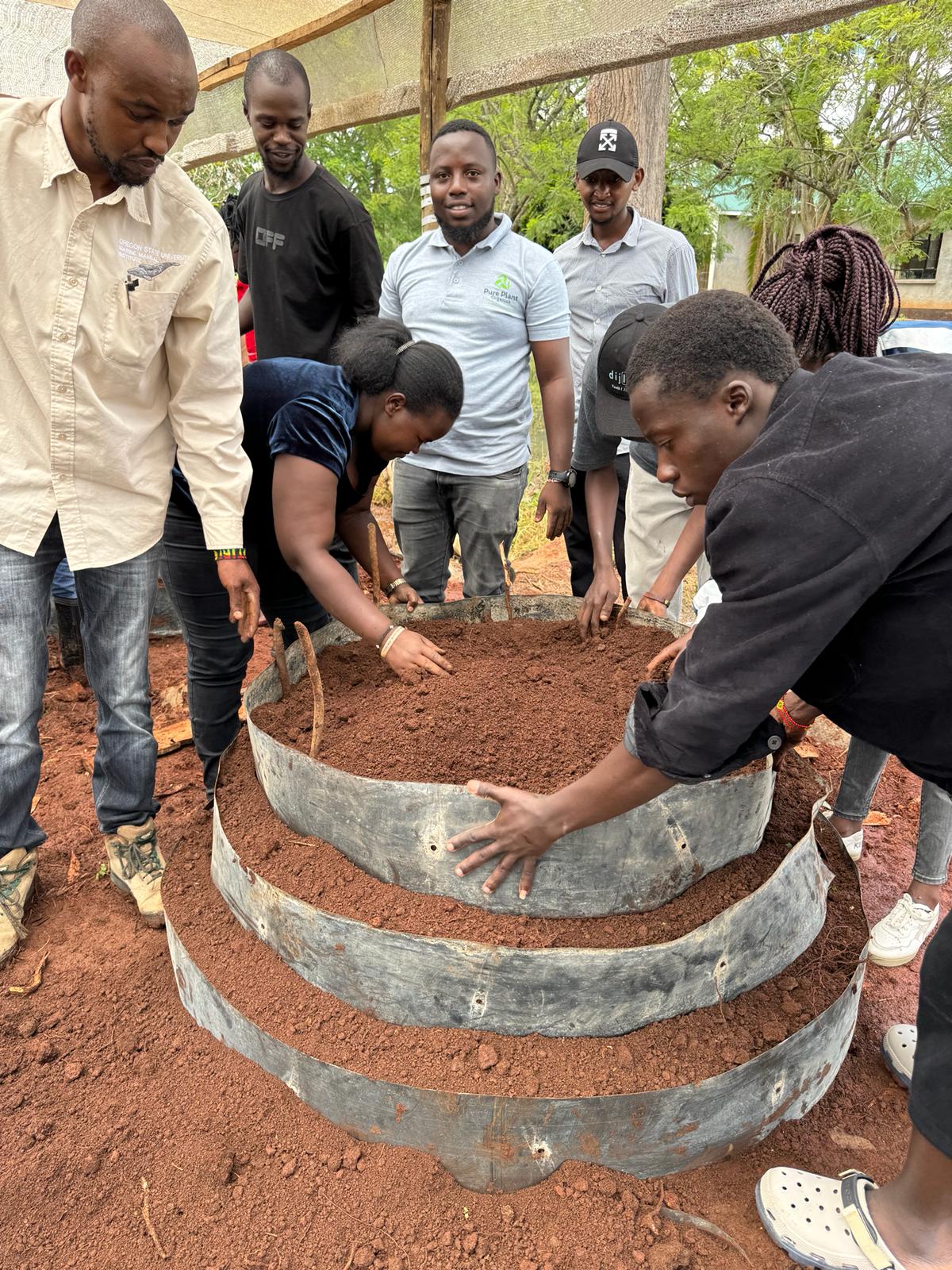
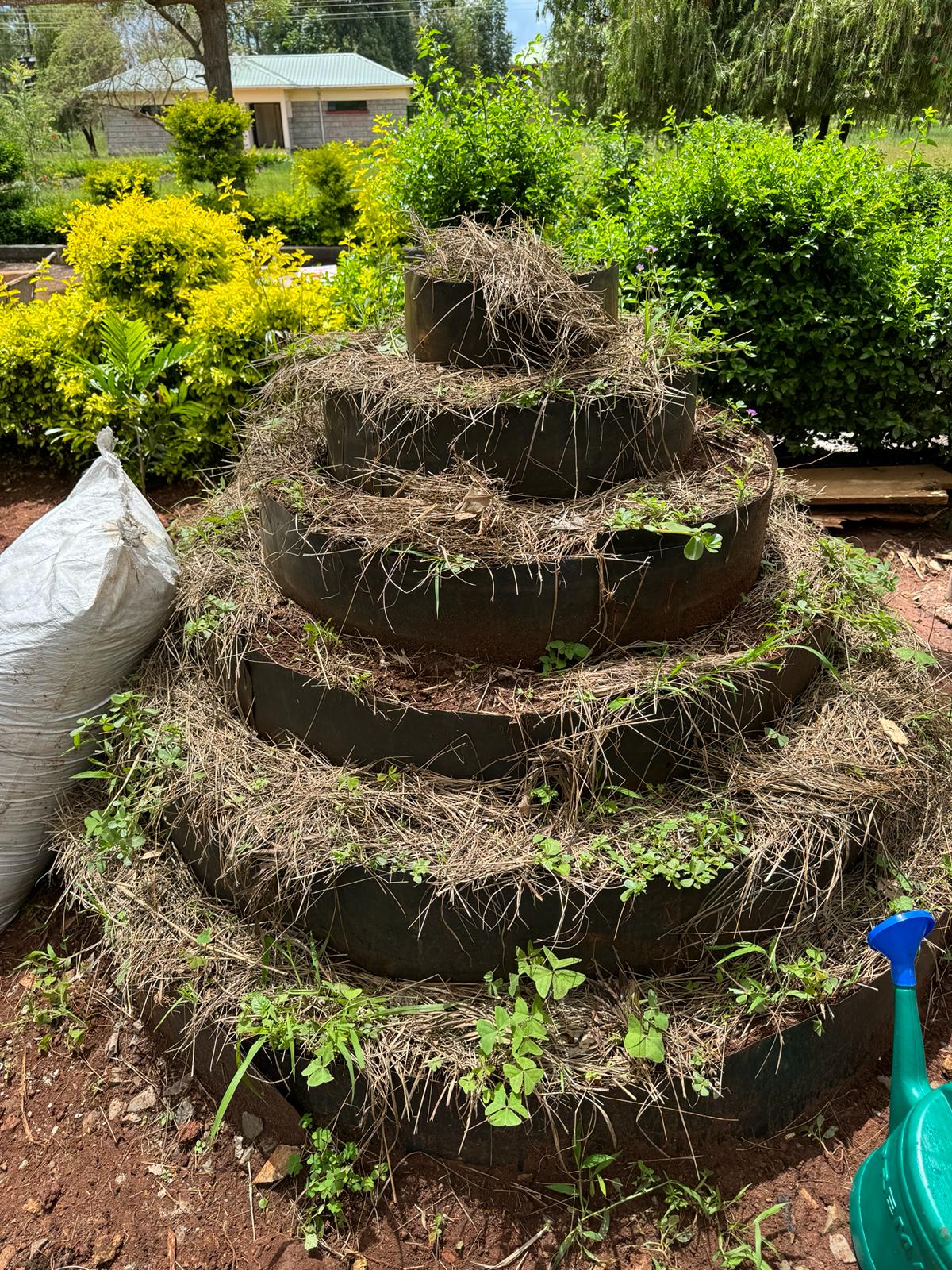
On the first day, the context and basic elements of urban farming were discussed: plot design, opportunities and challenges and the basics of soil and crop management. On day 2, the first urban farming practical: a cone shape multistory garden, inspired by urban farming experts Francis Kamande and Dennis Muriithi.
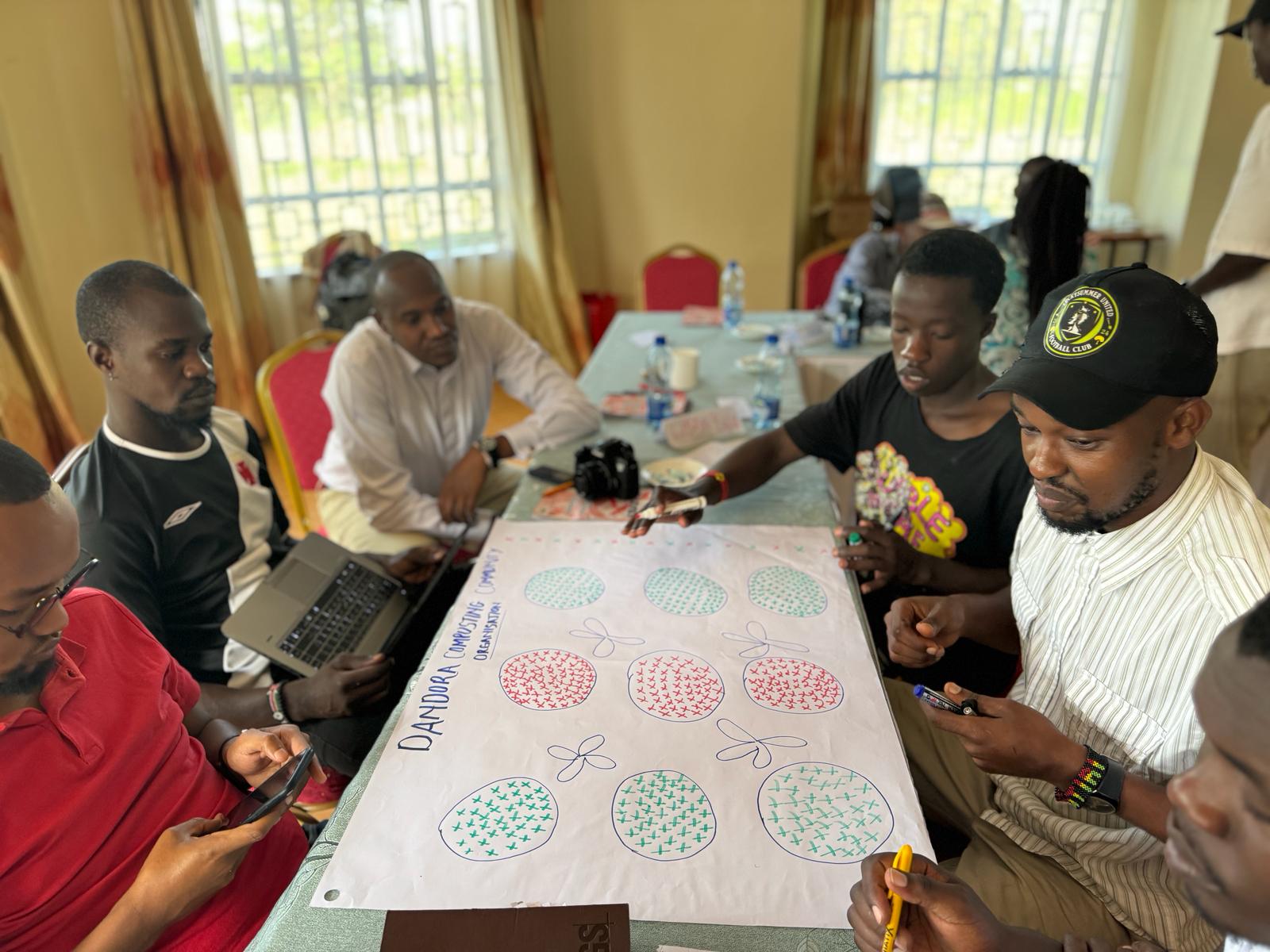
Based on the practicals and visits, the groups designed the case study gardens based on the identified community needs, including crops and suitable growing methodologies.
Thanks to the enthusiasm, the week was finished by a group initiative: a tour of urban farming projects of the training participants in Nairobi, including: Mtaa Safi, Awoche Foundation, Komb green solutions, chamie organics, Easy Urban Green Grower and Lomak Agricultural supplies.
Excited to see the projects, thank you so much for the inspiring week! Thanks FPEAK and KSA for organizing and hosting and thank you trainers!
Training impression:



Related news
-
World Algea day!
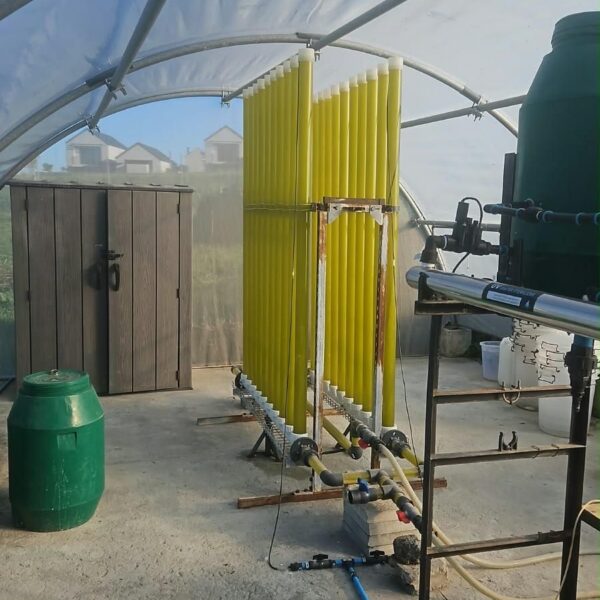
Exciting progress has been made in developing a horizontal photobioreactor (PBR) system for microalgae production.
-
Back in action!
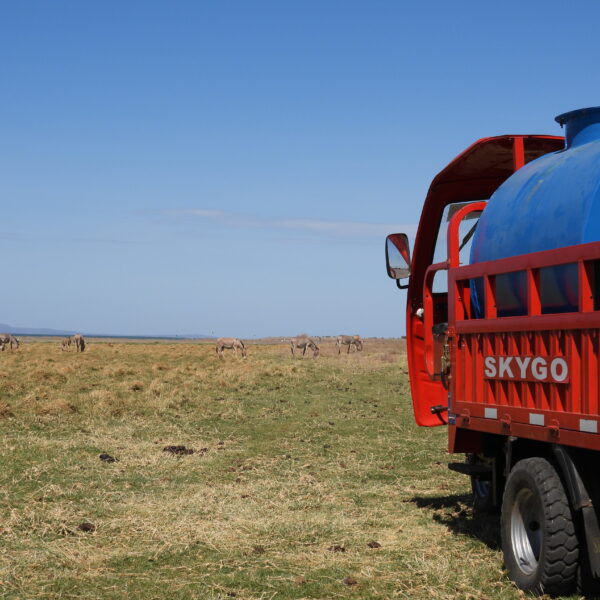
Q-Point and its partners are testing a mobile water filtration system in Kenya designed to provide clean and safe drinking water to remote communities. By training local operators and establishing community-based management, the project aims to create a sustainable and self-sufficient water solution.
-
On the road with Q-Point: Fabienne
Join Q-Point consultant Fabienne for a varied working week filled with audits, food safety, legislation and practical quality advice.

