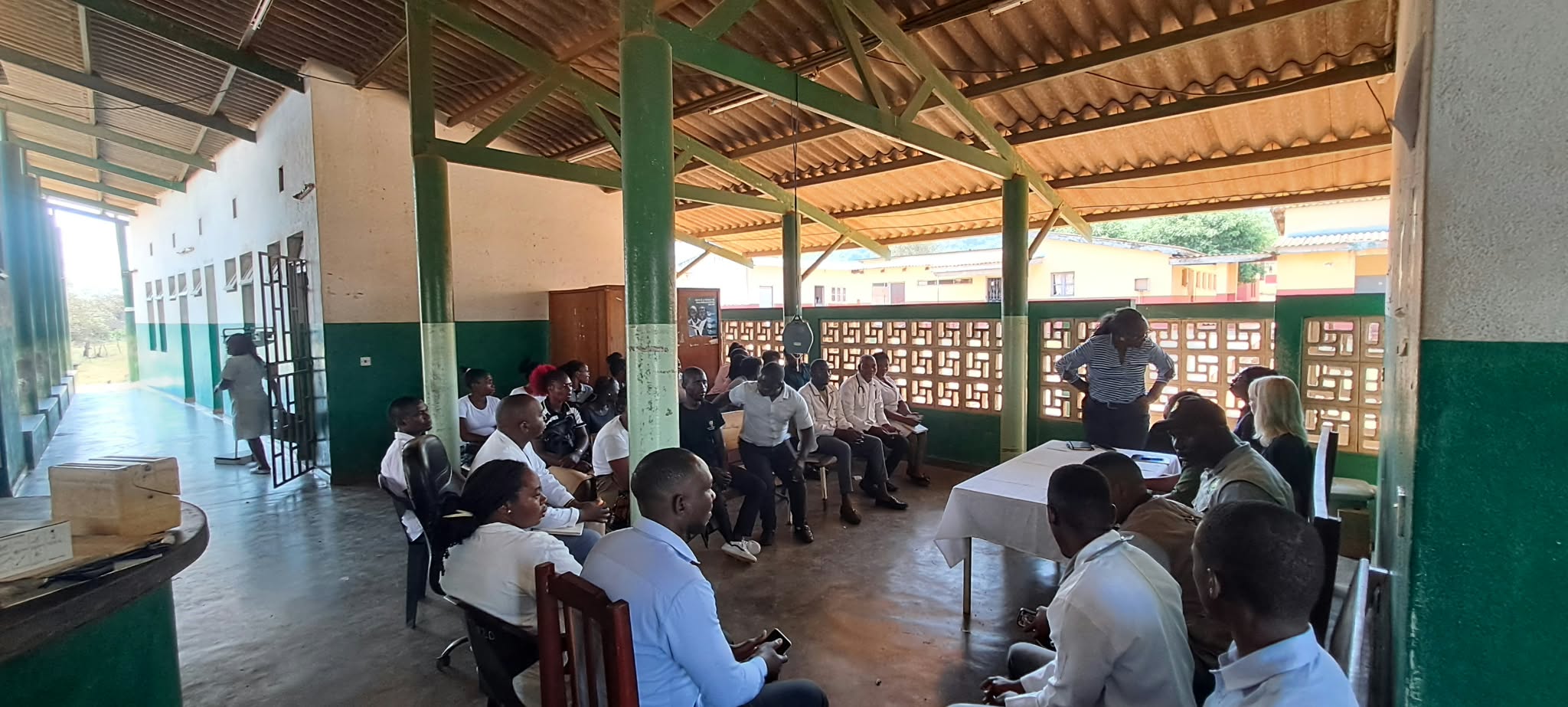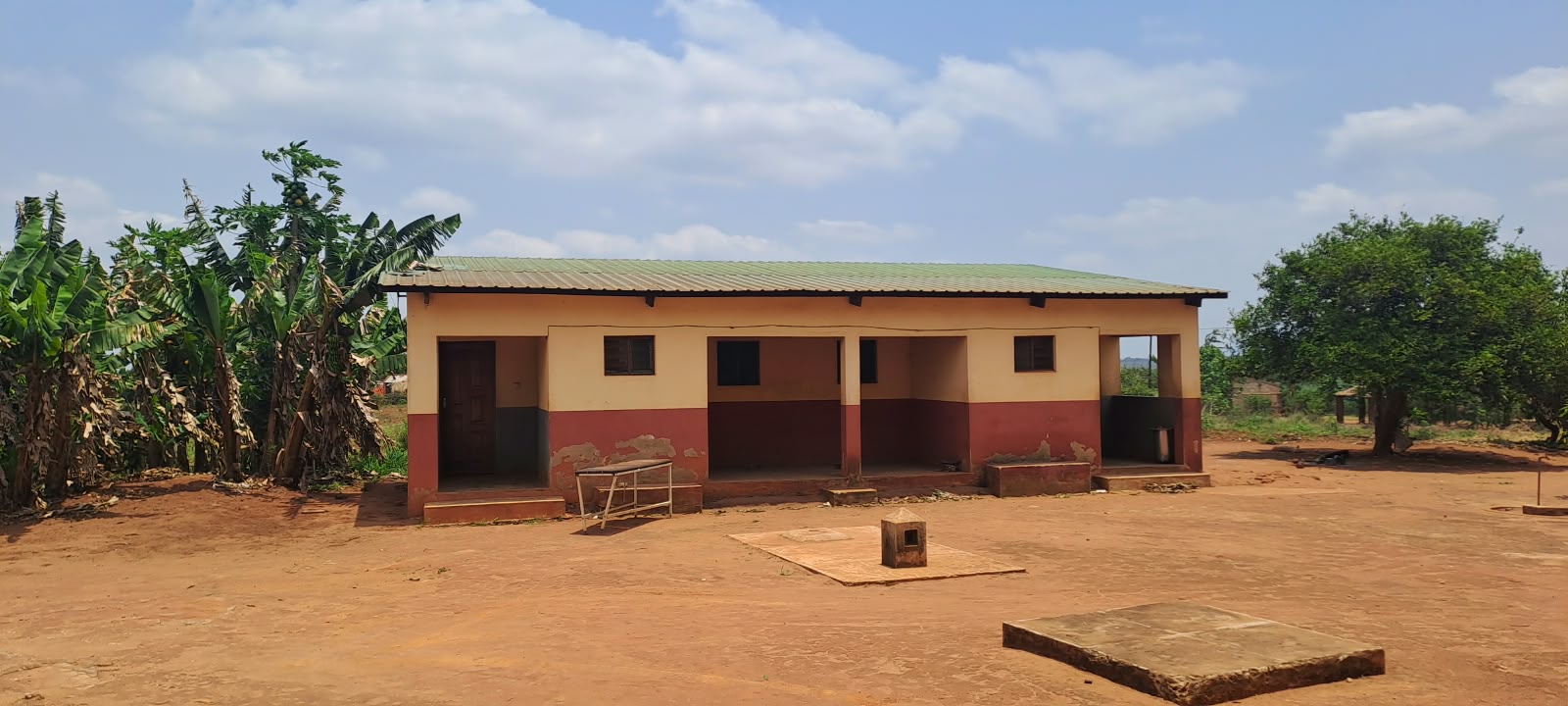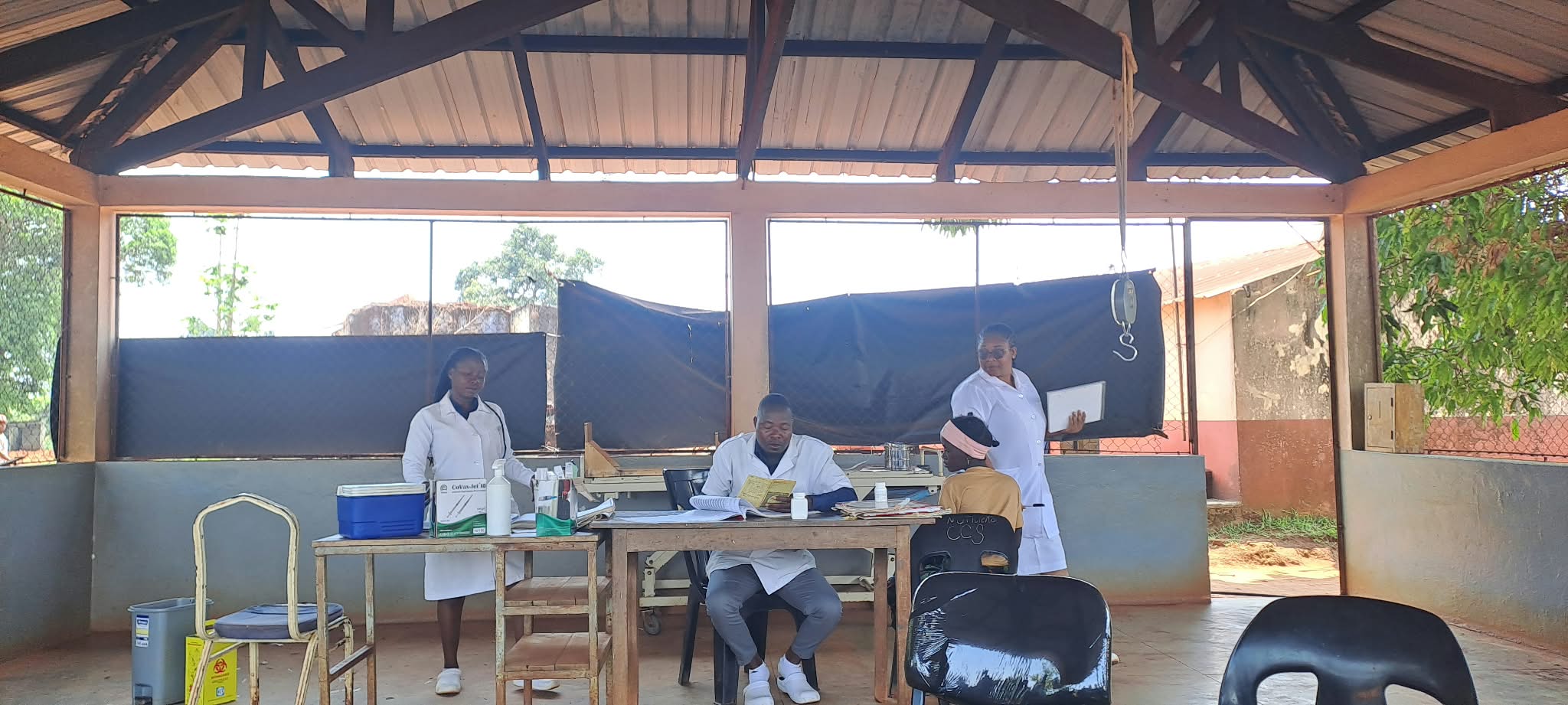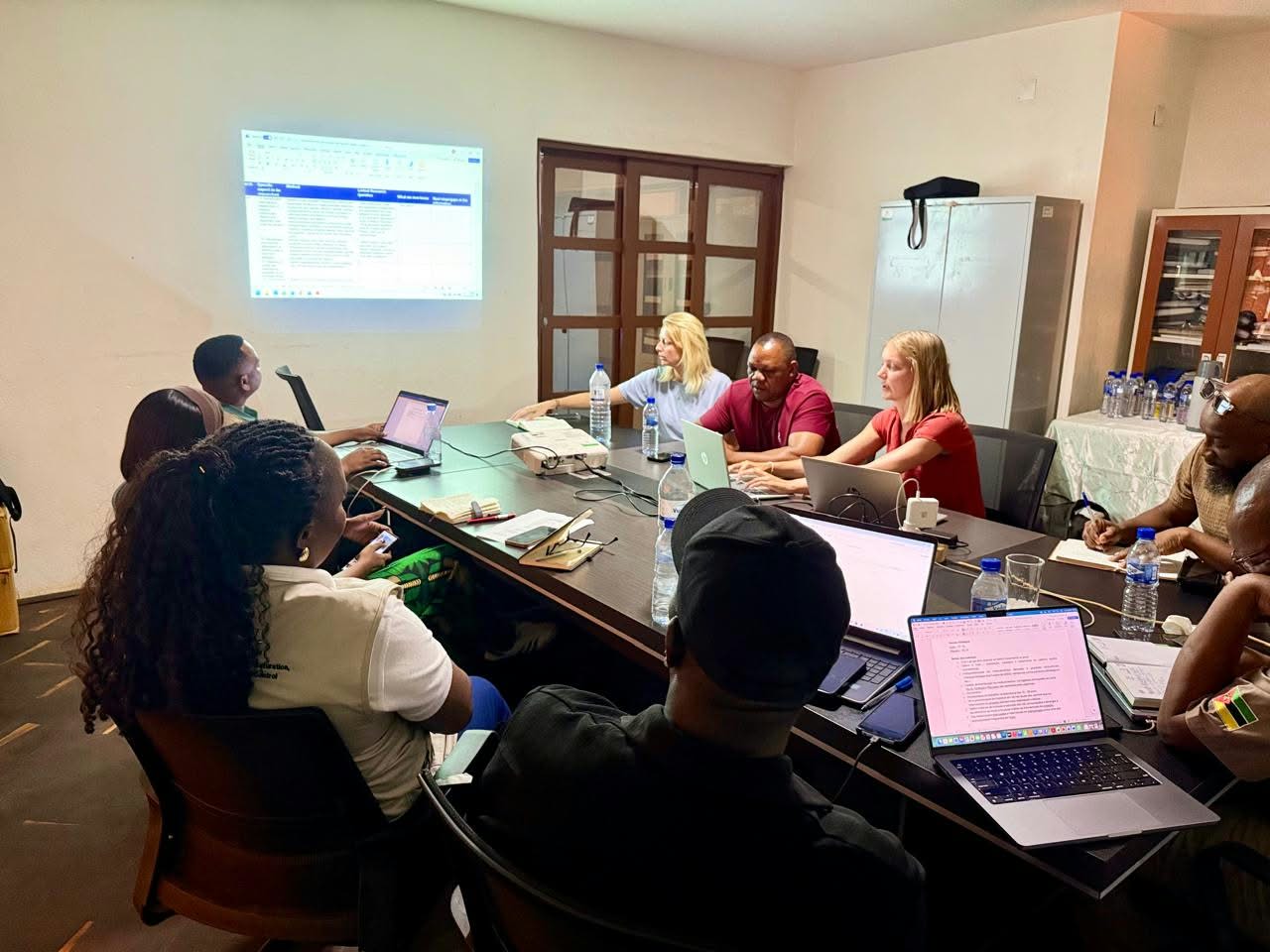
A week of listening, asking questions and gaining insights.

We recently launched our SBIR feasibility study, supported by RVO, exploring a modular healthcare system designed to bring essential healthcare services closer to remote communities in Mozambique. It was time to head into the field!
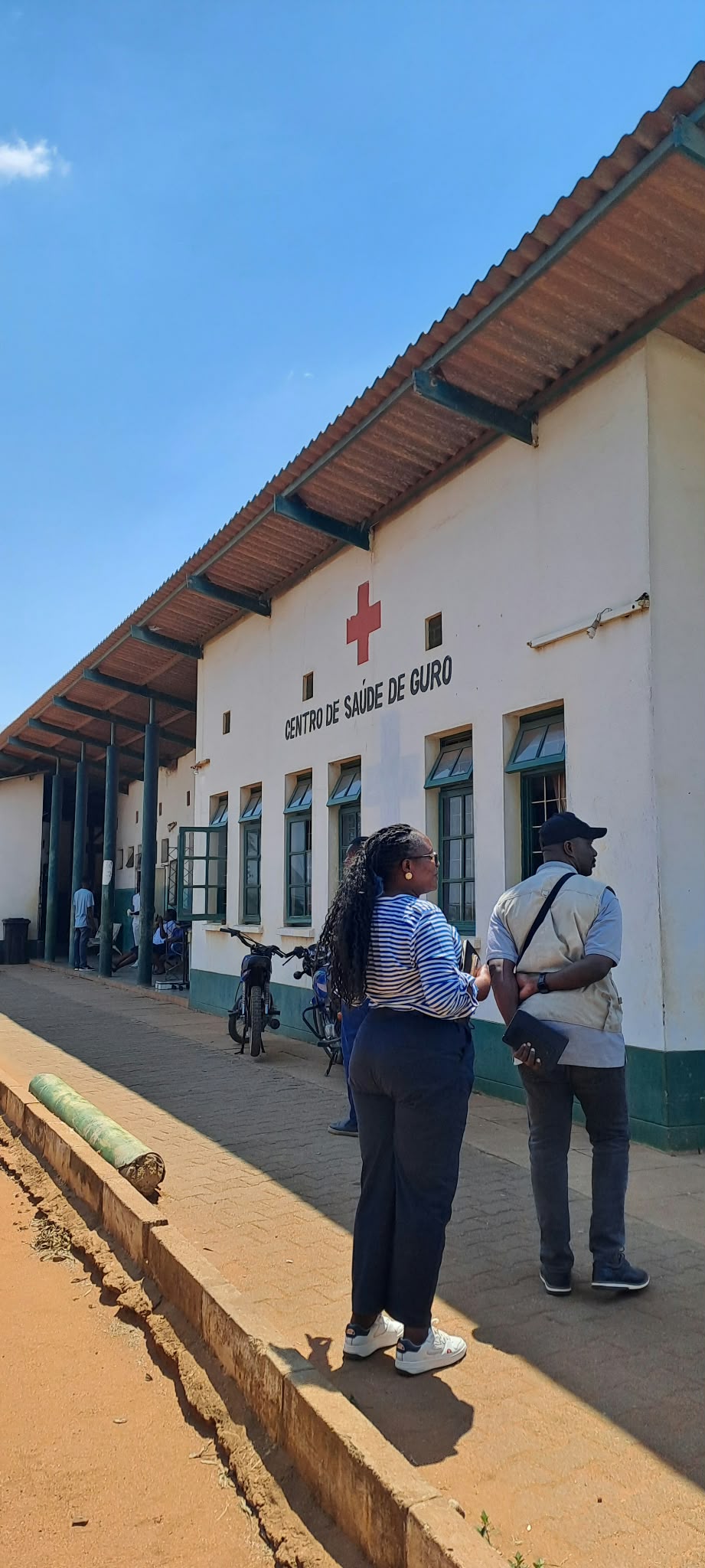
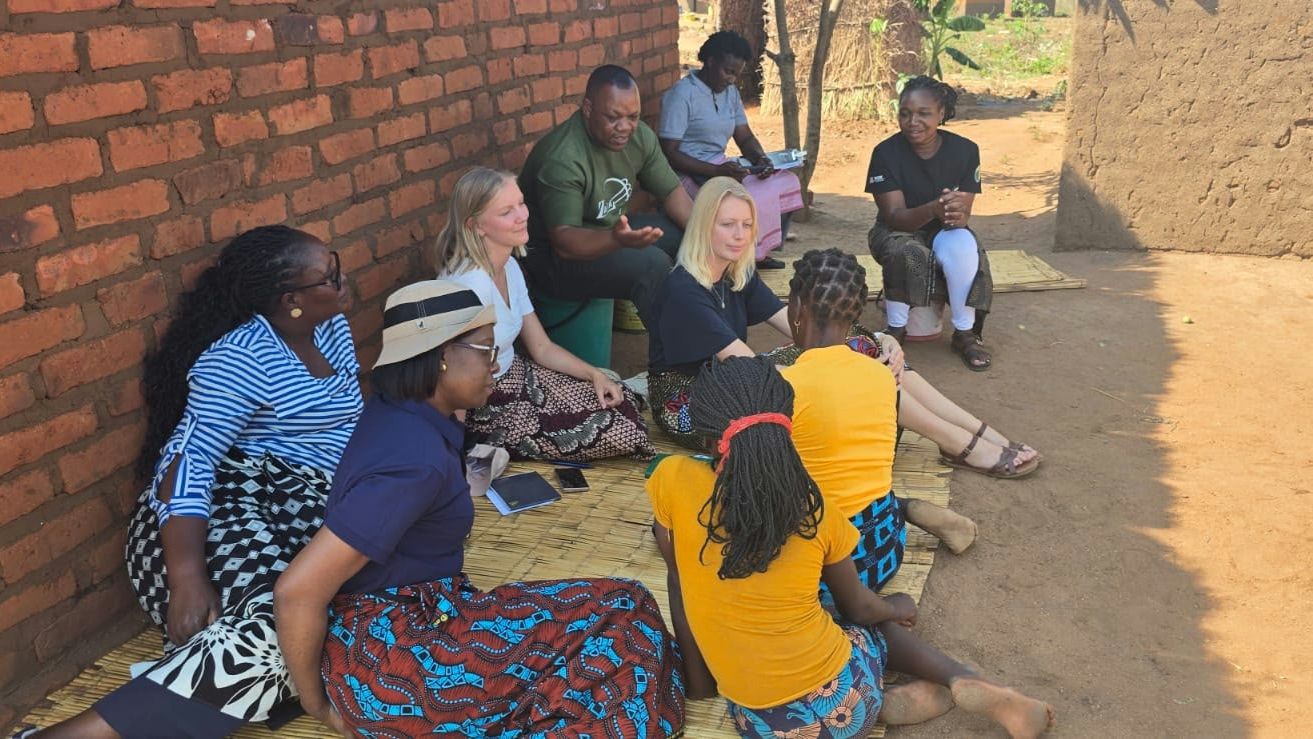
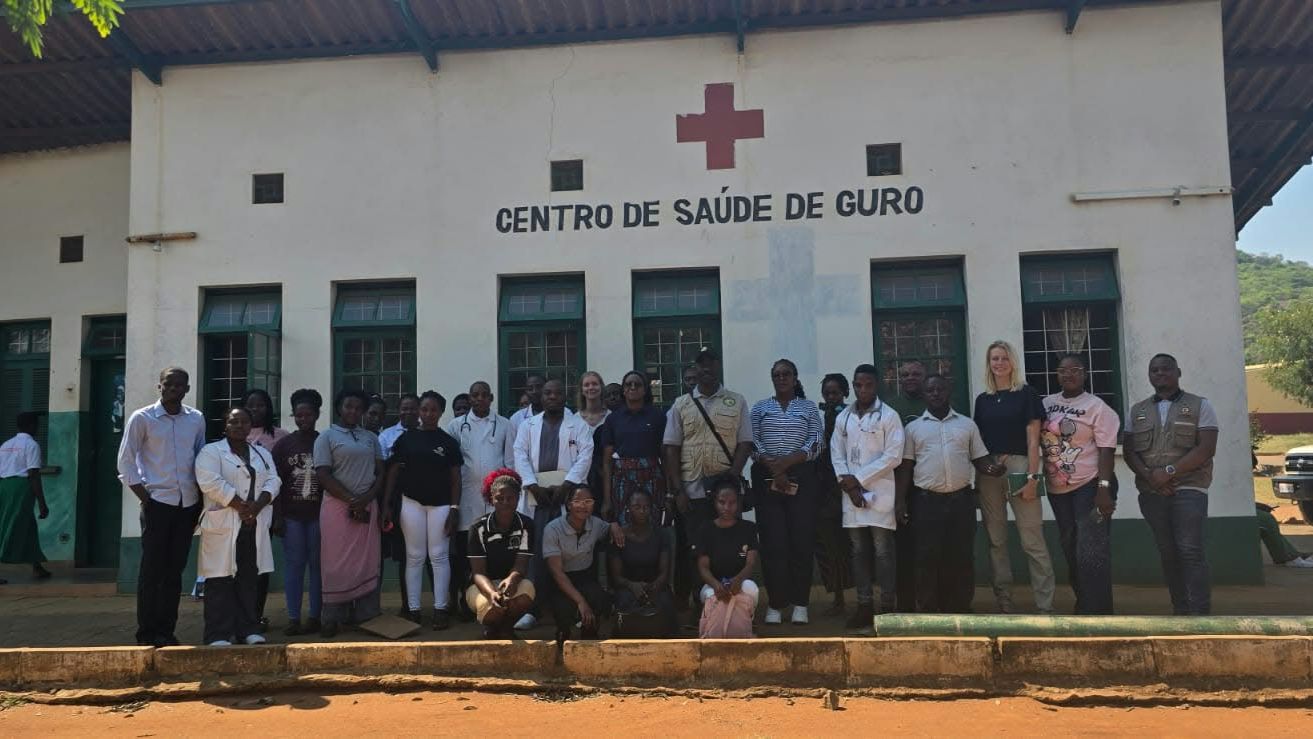
Our goal of the field research? To listen to healthcare professionals, community health workers and women from local communities. What health challenges do they face in their daily lives? What barriers prevent them from accessing healthcare? And what would their ideal healthcare system look like?

One challenge that came up repeatedly was the long distance to healthcare facilities, sometimes as far as 50 kilometres. For many communities, this makes accessing essential healthcare services extremely difficult. One consequence is that pregnant women often miss routine antenatal appointments and check-ups. These are crucial for identifying potential risks early and preventing complications during pregnancy.

But we also learned that access to healthcare involves more than diagnostics and medicines. Access to reliable information is just as important. Limited awareness, combined with sometimes deeply rooted cultural beliefs and practices, can influence how people understand and approach family planning and reproductive health.

These conversations provided valuable insights into the everyday realities of healthcare in remote communities. They will help us explore how a mobile healthcare solution can better respond to women’s needs.

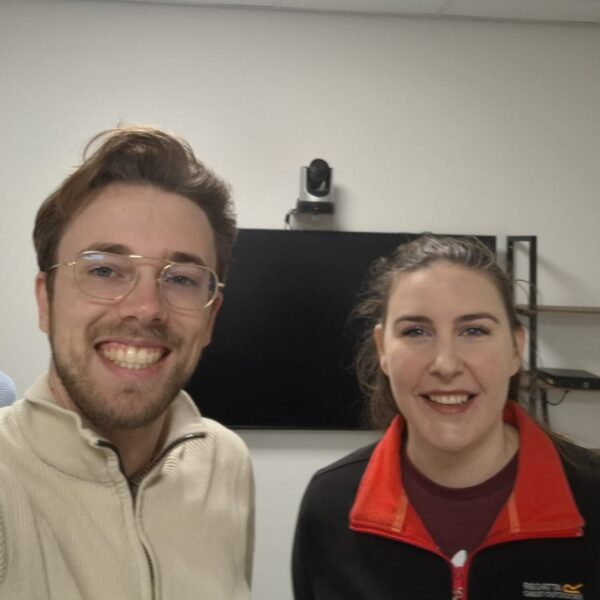
A big thank you to project lead Gender2Connect and all our team members for a valuable week in the field, and of course, for the warm welcome back to Mozambique!

Curious to learn more about this project? Visit the project page: https://q-point-bv.nl/en/projects/mobile-healthcare-remote-communities-mozambique/ 

Related news

More news