Context
Smallholder coffee farmers across East Africa face persistent challenges, including low incomes, soil degradation, and limited climate resilience. To address this, RVO has supported initiatives in Rwanda and Uganda that promote the use of regenerative and organic farming practices. These include self-made compost, liquid biofertilizers, and botanical pest control, following the RockinSoils methodology.
Despite promising early results, there is a lack of rigorous evidence on the effectiveness of these practices. This study aims to fill that gap by generating data on the impact of organic inputs on farmer livelihoods and to understand under what conditions these practices can be sustainably scaled within the East African context. These insights will help guide future programming.
Project goal and outputs
This project aims to generate robust evidence on the role of regenerative and organic inputs and practices in supporting coffee farmers to achieve a living income. It also examines the conditions under which these practices can be scaled sustainably.
Key outputs include:
- Data on the impact of organic inputs and regenerative practices on yield, cost, quality, and ecological performance of farmers across Uganda and Rwanda.
- In-depth analysis of farmer adoption dynamics across Uganda and Rwanda.
- Comparative assessment of scaling models (e.g., cooperative-led training, youth service providers, commercial hubs) across Uganda, Rwanda, and Kenya.
- Development of a scaling roadmap and recommendations for future programming.

Relevant Sustainable Development Goals (SDGs)
SDG 1 – No Poverty: By examining how regenerative agricultural practices impact farmers’ ability to achieve a living income, future programmes can be better tailored to address poverty reduction.
SDG 2 – Zero Hunger: Regenerative agriculture contributes to food security through improved soil health and crop diversification.
SDG 5 – Gender Equality: The study pays specific attention to gender roles in the adoption of practices and access to necessary inputs.
SDG 12 – Responsible Consumption and Production: The findings may contribute to strengthening the role of regenerative agriculture in sustainable production systems.
SDG 15 – Life on Land: The study investigates the impact of sustainable land use practices and their contribution to ecosystem health.

Involved organisations
In this study, Q-Point collaborates with NutriProduce, a youth-led agricultural enterprise working across East Africa to promote climate-resilient and inclusive agri-food systems. The company supports smallholder farmers with regenerative practices, local seed systems, and practical tools for improved farm management and market access. Through capacity building, digital tools, and enterprise support, NutriProduce helps farmers strengthen productivity, reduce input dependence, and build long-term resilience.
Commissioner
The Netherlands Enterprise Agency (RVO) supports sustainable, inclusive and innovative entrepreneurship through funding, knowledge and partnerships. On behalf of the Ministry of Foreign Affairs, RVO manages the Subsidy Programme for Responsible Business (SPVO), which helps companies improve social and environmental practices in their international value chains. SPVO supports projects that promote living income, fair working conditions, reduced environmental impact, and inclusive business models.
Duration
January 2026 – October 2026
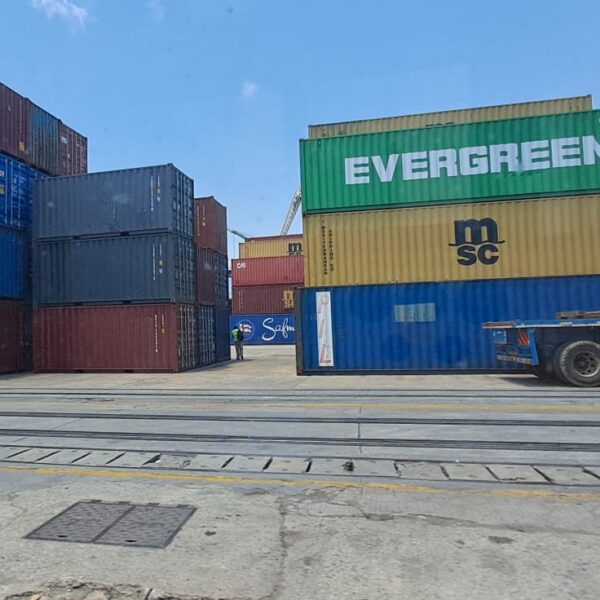
Impression of the project


Curious to know more?
These Q-Point experts are involved and happy to talk to you
Olivia Ansenk
Consultant quality and food safety systems and sustainability
More about Olivia
Feline Heussen
Consultant sustainable and inclusive agri-food chains
More about Feline
Call us at +31 (0)317 491581 or send an email to info@q-point-bv.nl