
We are pleased to share that we have started a new project, commissioned by COLEAD in collaboration with the Rwanda Organic Agriculture Movement (ROAM).
What are we going to study?
In the coming months, we will be conducting a study of the Rwandan Domestic Organic Fruit and Vegetable Market Potential through the implementation of a Participatory Guarantee System (PGS), commissioned and supported by COLEAD and in close collaboration with the Rwanda Organic Agriculture Movement (ROAM).
With a desk study, we aim to understand the current status of the horticultural sector, including the organic production and consumption in Rwanda. But more importantly: data will be gathered in the field! Key stakeholder interviews will be held with e.g. farmers, cooperatives, traders, marketplaces, and officials to understand the potential of a PGS. The insights from the interviews will be complemented with a market survey targeting consumers, to determine the potential size of the market and to understand the market demand.
Feel free to reach out to Q-Point colleagues Carel and Feline when you know of important reports regarding the organic fruits and vegetables sector in Rwanda, or in case you know (or are!) key stakeholders that we should include in the interviews.
Looking forward to a fruitful collaboration with ROAM!

In collaboration with:


Want to know more?
There Q-Point experts are involved and happy to talk to you:
Carel Jaspers
Director Q-Point
More about Carel
Feline Heussen
Consultant sustainable and inclusive agri-food chains
More about Feline
Call us at +31 (0)317 491581 or send an email to info@q-point-bv.nl
Related news
-
World Algea day!
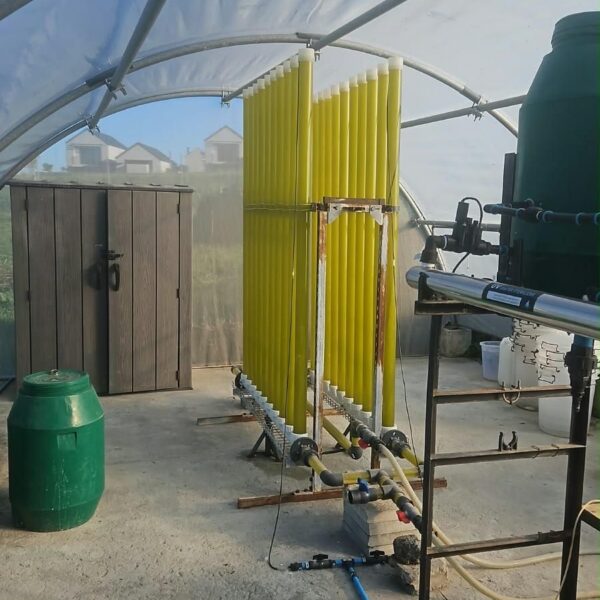
Exciting progress has been made in developing a horizontal photobioreactor (PBR) system for microalgae production.
-
Back in action!
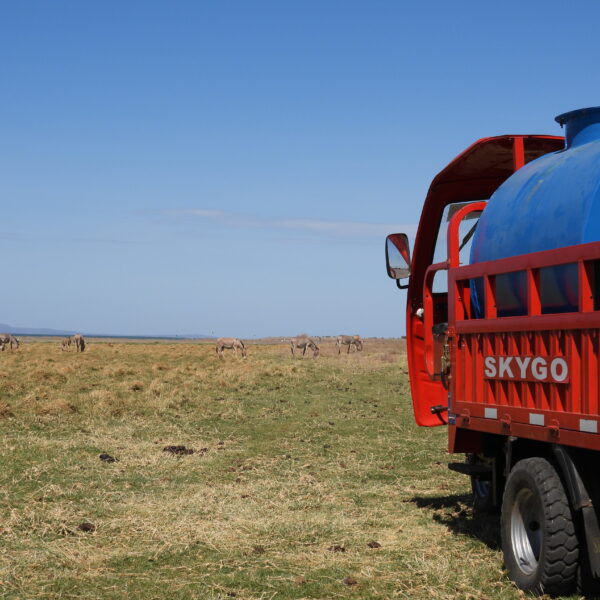
Q-Point and its partners are testing a mobile water filtration system in Kenya designed to provide clean and safe drinking water to remote communities. By training local operators and establishing community-based management, the project aims to create a sustainable and self-sufficient water solution.
-
On the road with Q-Point: Fabienne
Join Q-Point consultant Fabienne for a varied working week filled with audits, food safety, legislation and practical quality advice.

