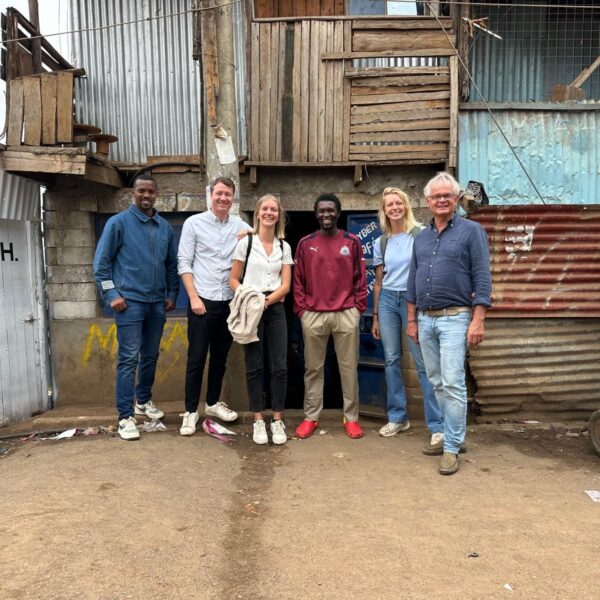
In the week of 17-20 March, the trade mission “Sustainable Agriculture” took place in Nairobi, organised by the Netherlands Enterprise Agency (RVO) and the Dutch Embassy in Kenya. This mission brought together Dutch and Kenyan parties with the aim of further developing a sustainable agricultural and horticultural sector in Kenya. Q-Point was commissioned by the Dutch Embassy to organise the matchmaking event, in which participants of the mission were linked to organisations in Kenya. In a short period of time, we approached 150 Kenyan companies and organisations, which resulted in a large number of enthusiastic responses. On 17 March, all 22 participating Dutch companies were able to sit down with a total of six interested Kenyan parties. During the informal networking reception, further networking took place, resulting in promising new contacts. We look back on a very successful day, made possible by the positive energy and commitment of all participating companies and Kenyan partners. It is remarkable to see how much need there is among both Dutch and Kenyan parties to work together in the Kenyan agro and food sector. Organizing formal (matchmaking) and informal (network drinks) meetings therefore definitely offers added value.

Curious to know more?
These Q-Point experts are involved and happy to talk to you.
Carel Jaspers
Director Q-Point
More about Carel
Feline Heussen
Consultant sustainable and inclusive agri-food chains
More about Feline
Call us at +31 (0)317 491581 or send an email to info@q-point-bv.nl
Related news
-
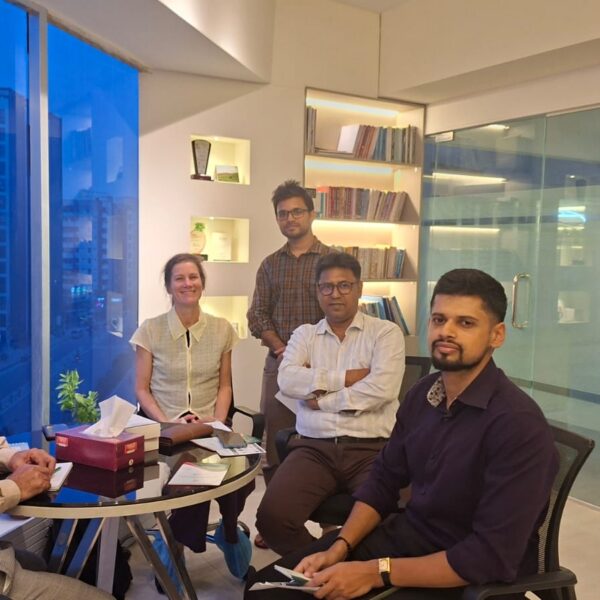
Following the journey of fresh vegetables in Bangladesh
Q-Point’s Olivia Ansenk visited Malik Seeds in Bangladesh to assess vegetable traceability, explore opportunities for digitalisation and review requirements for local sales and future exports.
-
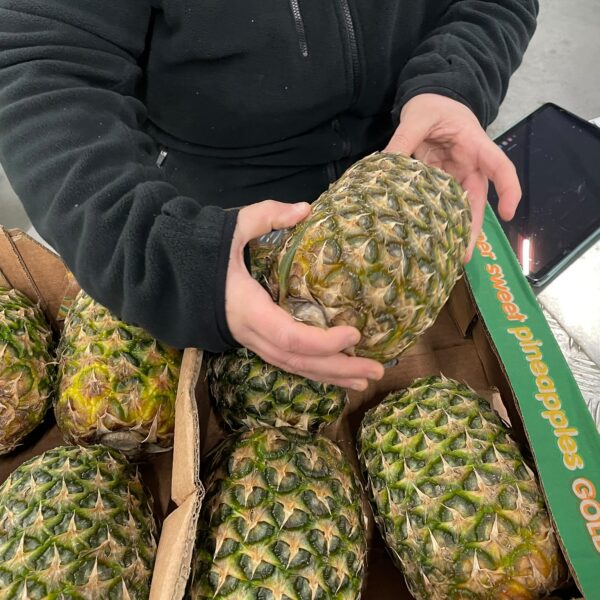
Quality control in the fresh produce sector: looking beyond appearances
Our colleague Yvette recently helped a fresh produce business carry out quality checks and report the results. Drawing on her hands-on experience, she coached a member of staff on the job, showing them how to apply the key principles of quality control.
-
Inspiring conversations in Kenya
Last week, our team visited several partners and projects in Kenya. During inspiring meetings, we discussed ongoing projects, new opportunities and recent developments. We also saw how local initiatives, such as the urban farm in Kibera, continue to grow and develop.