Collaborating for Climate Adaptation in South Africa and Kenya
We are excited to kick off two innovative projects under the RVO SBIR program: “Innovations for increased resilience to climate change in Africa”
14 April 2025

We are excited to kick off two innovative projects under the RVO SBIR program: “Innovations for increased resilience to climate change in Africa”
We are proud to contribute to sustainable solutions for climate challenges in Africa through two promising initiatives:
Profitable and Sustainable Local Algae Production in South Africa
This project explores the feasibility of locally producing and refining microalgae for applications in food, animal feed, and natural colorants. With the use of renewable energy, this approach has the potential to reduce CO₂ emissions and promote responsible water usage. By bringing together local and international partners, we aim to explore and combine innovative cultivation and processing methods into a sustainable concept. The goal is to accelerate the protein transition, create new economic opportunities, and make the food chain more sustainable.
Tuk Tuk Cargo Water Filtration System in Kenya
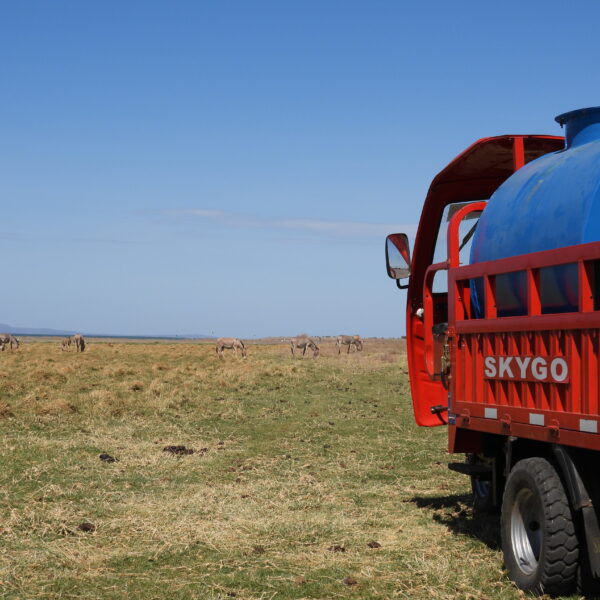
A locally designed and built mobile off-grid water filtration system powered by solar energy. The system aims to purify untreated water from Lake Turkana into safe drinking water for surrounding communities, with a focus on the El Molo community. This smart system is designed to provide not only clean water but also basic electricity. The project is centred around developing a Minimum Viable Product (MVP), tailored to the needs of the community, to gather further feedback and improve the solution. A double impact on both health and economic development!
Together, we are working on climate-relevant innovations with real impact. Are you also active in these sectors? Feel free to contact one of the involved consultants.
These Q-Point experts are involved and happy to talk to you.
Director Q-Point
More about Carel
Consultant sustainable and inclusive agri-food chains
More about Feline
Consultant quality and food safety systems and sustainability
More about Olivia
Call us at +31 (0)317 491581 or send an email to info@q-point-bv.nl
Q-Point and its partners are testing a mobile water filtration system in Kenya designed to provide clean and safe drinking water to remote communities. By training local operators and establishing community-based management, the project aims to create a sustainable and self-sufficient water solution.
Join Q-Point consultant Fabienne for a varied working week filled with audits, food safety, legislation and practical quality advice.

Together with a great group of young professionals from all over the world, our colleague Maaike Broeksma finished the first training of the 2-year Young Expert Programmes (YEP).

