Context
Nepal’s food-processing sector offers strong opportunities to add value to agricultural products, access new markets and improve the competitiveness of local companies. At the same time, expectations regarding food safety, hygiene, traceability and product quality are increasing. A well-organised food safety system is therefore important not only for producing safe food, but also for professionalising operations and creating opportunities for further market development.
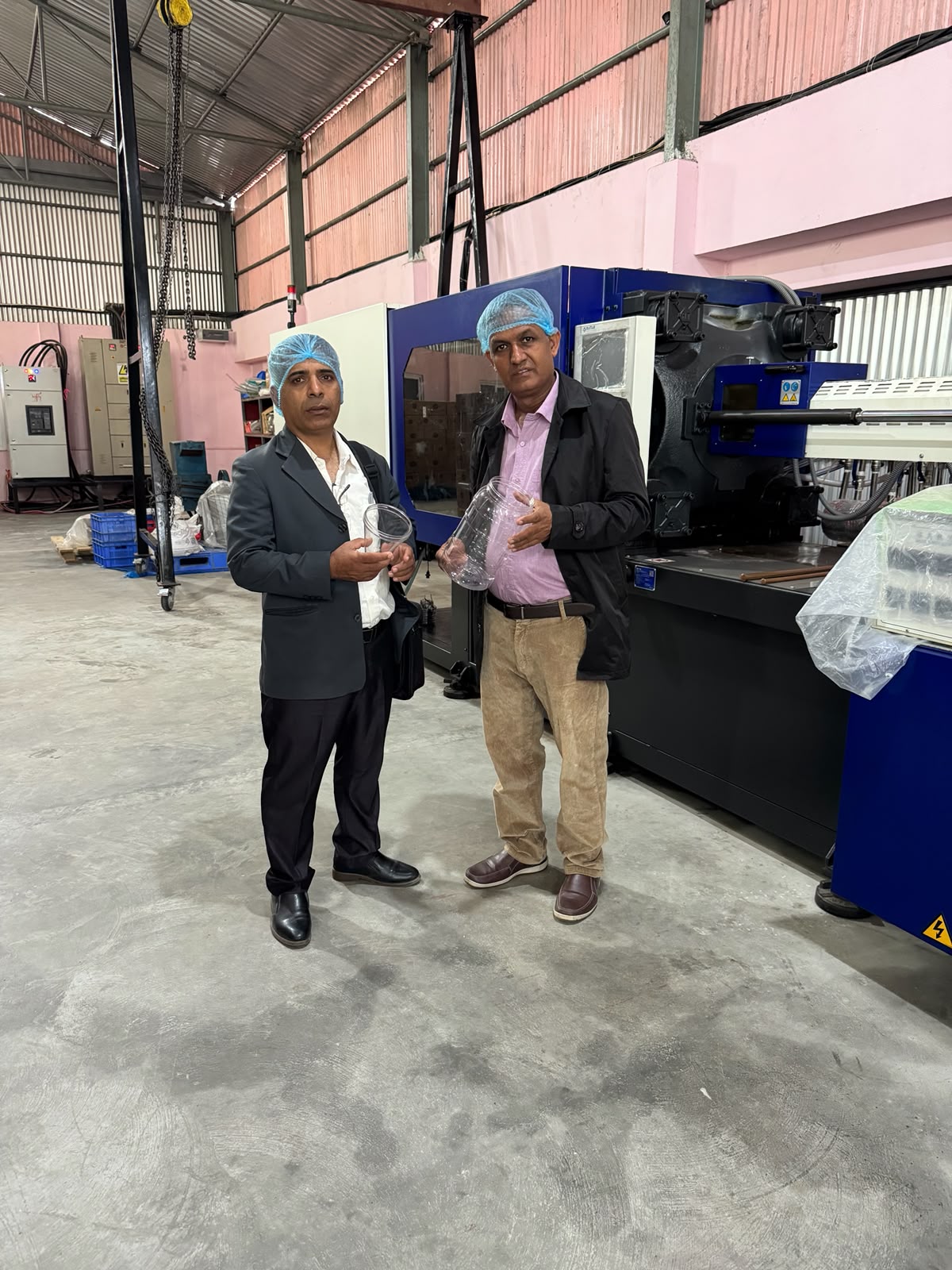
Within this context, Q-Point is supporting KRS Venture Pvt Ltd in Bhadrapur, Jhapa, to strengthen its food safety management. The initial assessment shows that the company already has several important building blocks in place, including a documented food safety policy, management commitment, product descriptions and process flow diagrams. At the same time, further improvements are required in areas including organisational responsibilities, HACCP and risk analysis, traceability and recall, documentation and records, corrective action, and the control of hygiene and production processes.
The project forms part of the food safety advisory activities of the International Finance Corporation (IFC), a member of the World Bank Group. Through these activities, IFC supports companies in emerging markets to systematically improve food safety, strengthen business operations and better respond to national and international market requirements.
Project goal and outputs
The project aims to develop and implement a practical and effective Food Safety Management System in accordance with ISO 22000:2018 together with KRS Venture and embed it in the company’s daily operations. Q-Point works with Food Quality Solutions Nepal (FQS), combining international food safety expertise with continuous local implementation support.
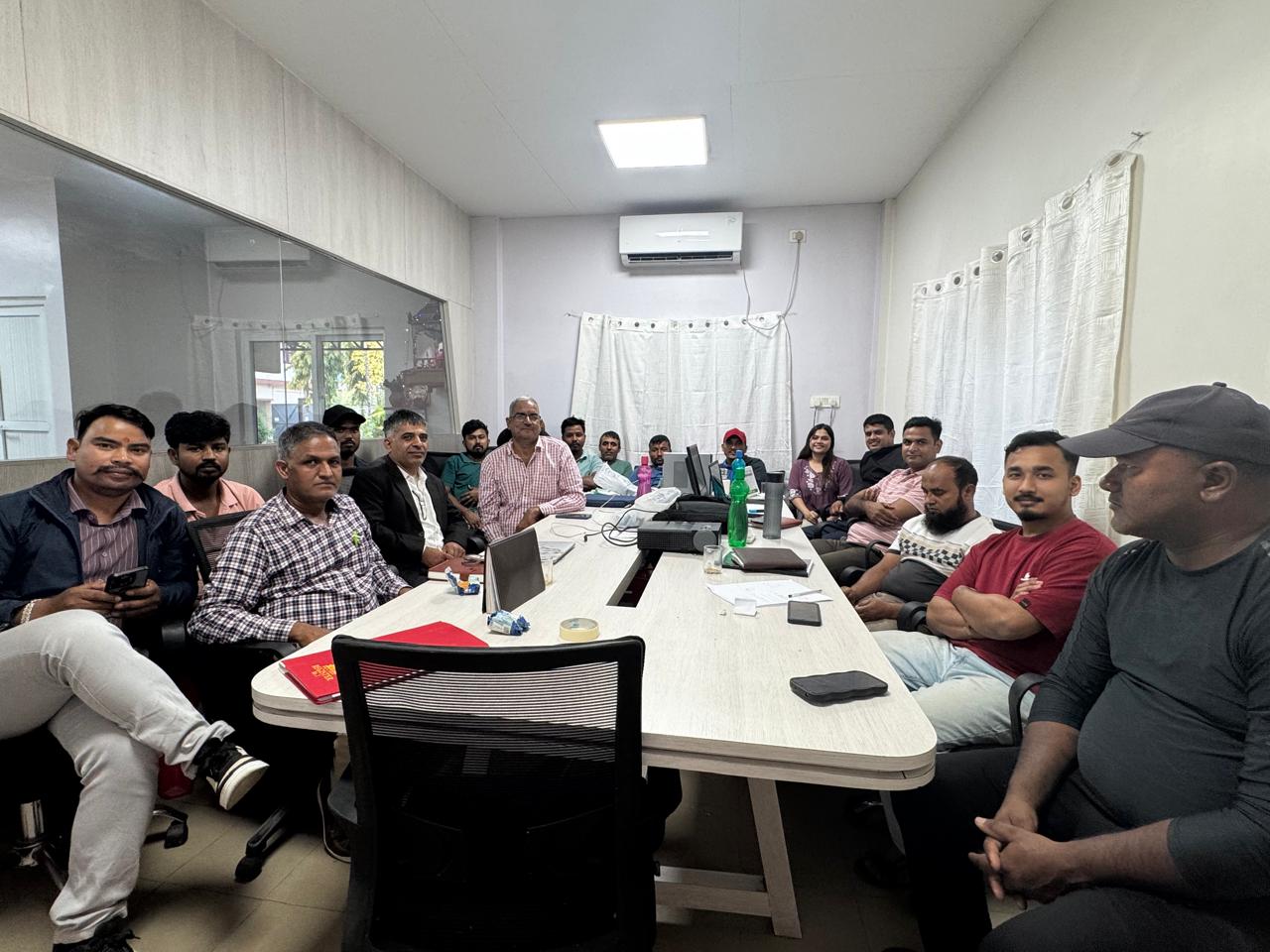
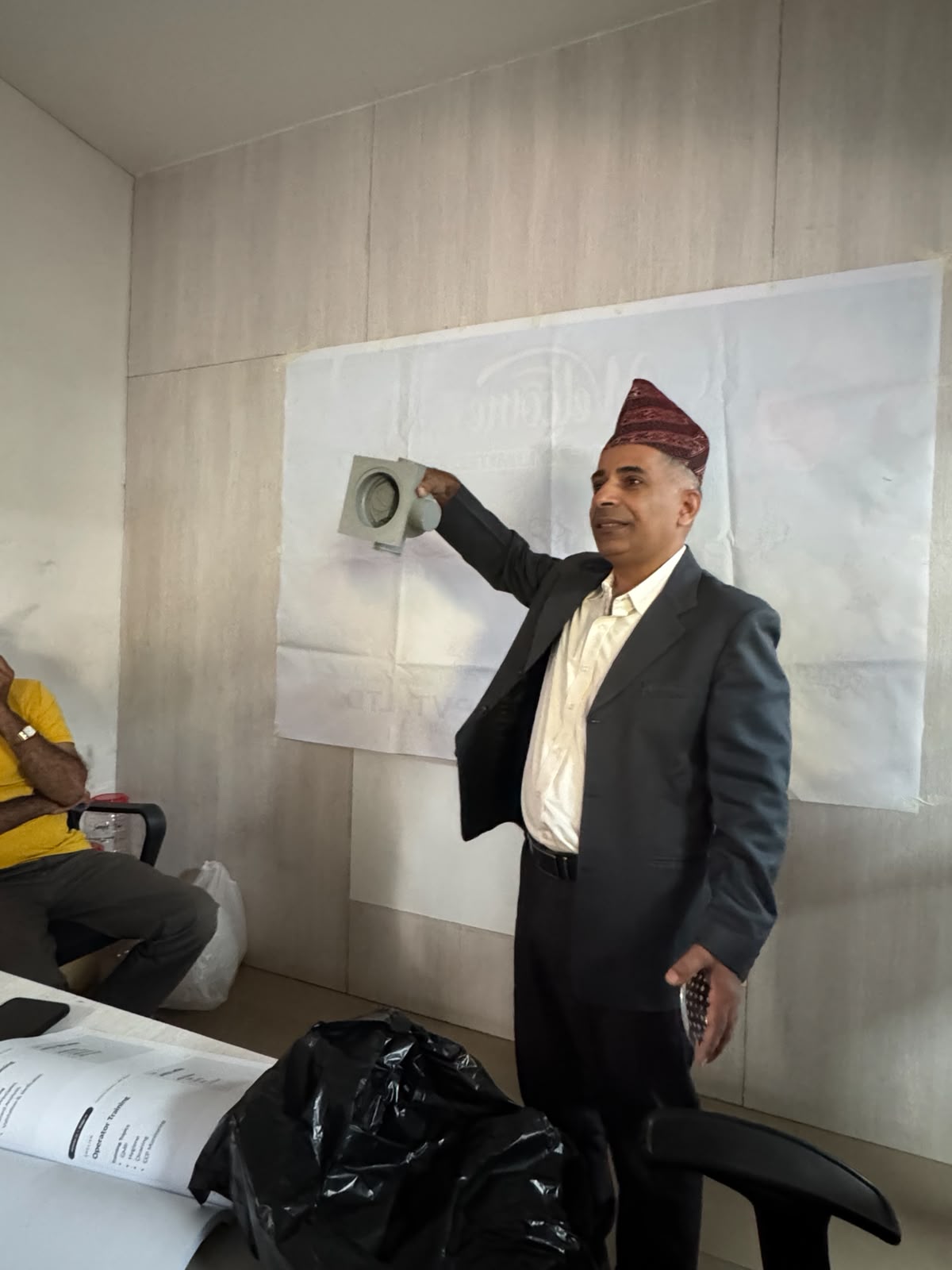
The project starts with an assessment of existing practices, processes, infrastructure and food safety risks. Based on the findings, KRS Venture, Q-Point and FQS jointly develop a practical improvement plan. The team then builds the management system step by step, develops and implements procedures, work instructions, forms and records, and strengthens HACCP and prerequisite programmes. Staff training and coaching take place alongside practical implementation.
- A diagnostic assessment and practical implementation action plan.
- An integrated Food Safety Management System aligned with ISO 22000:2018.
- Prerequisite programmes covering areas such as hygiene, cleaning and disinfection, pest management, water, storage, transport, maintenance and calibration.
- Clearly defined organisational roles, responsibilities and competence requirements.
- Procedures, work instructions, forms and records for day-to-day implementation.
- A comprehensive food safety hazard analysis and HACCP plan.
- Strengthened traceability, recall, complaint handling, supplier management and corrective-action systems.
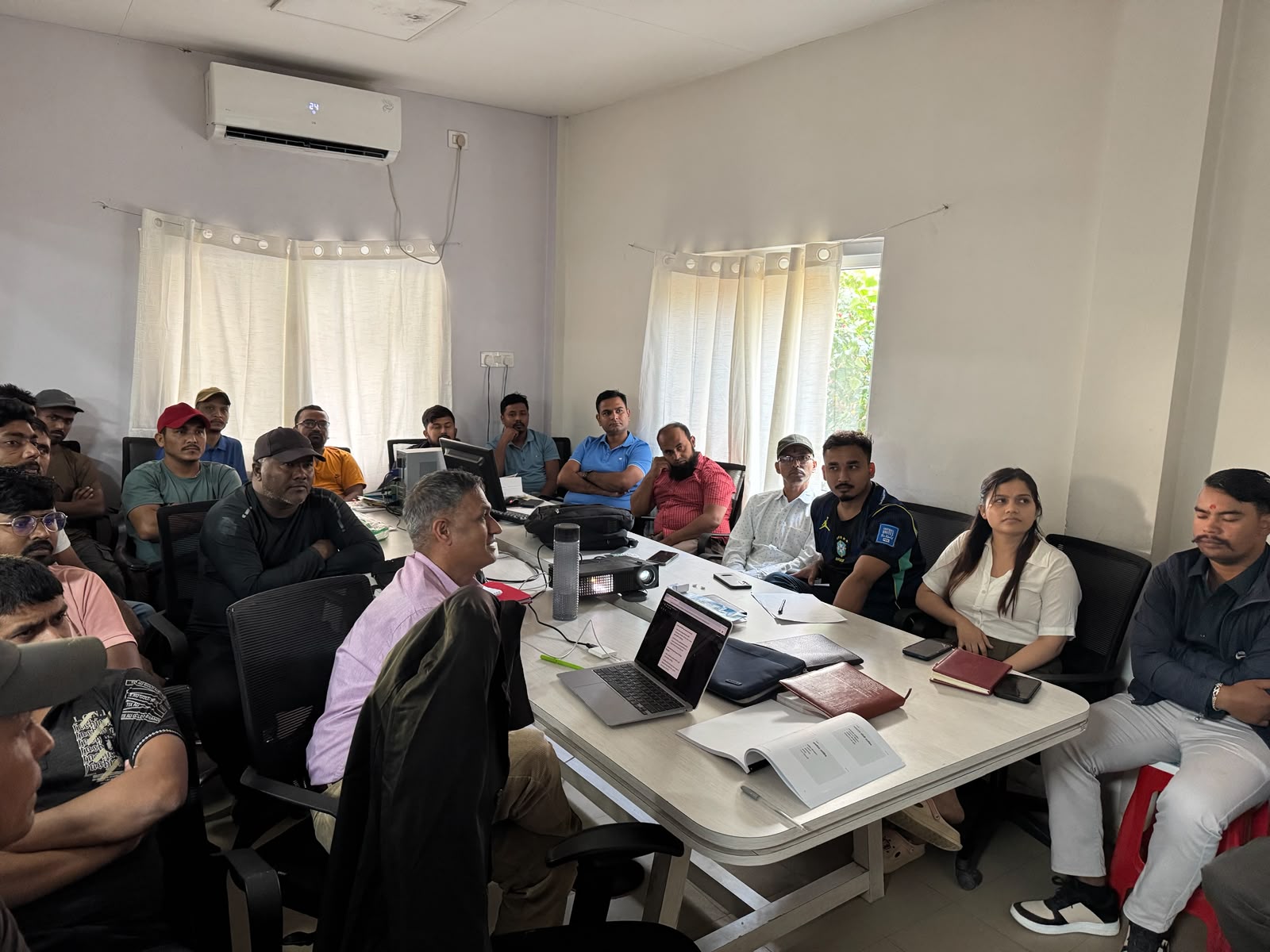
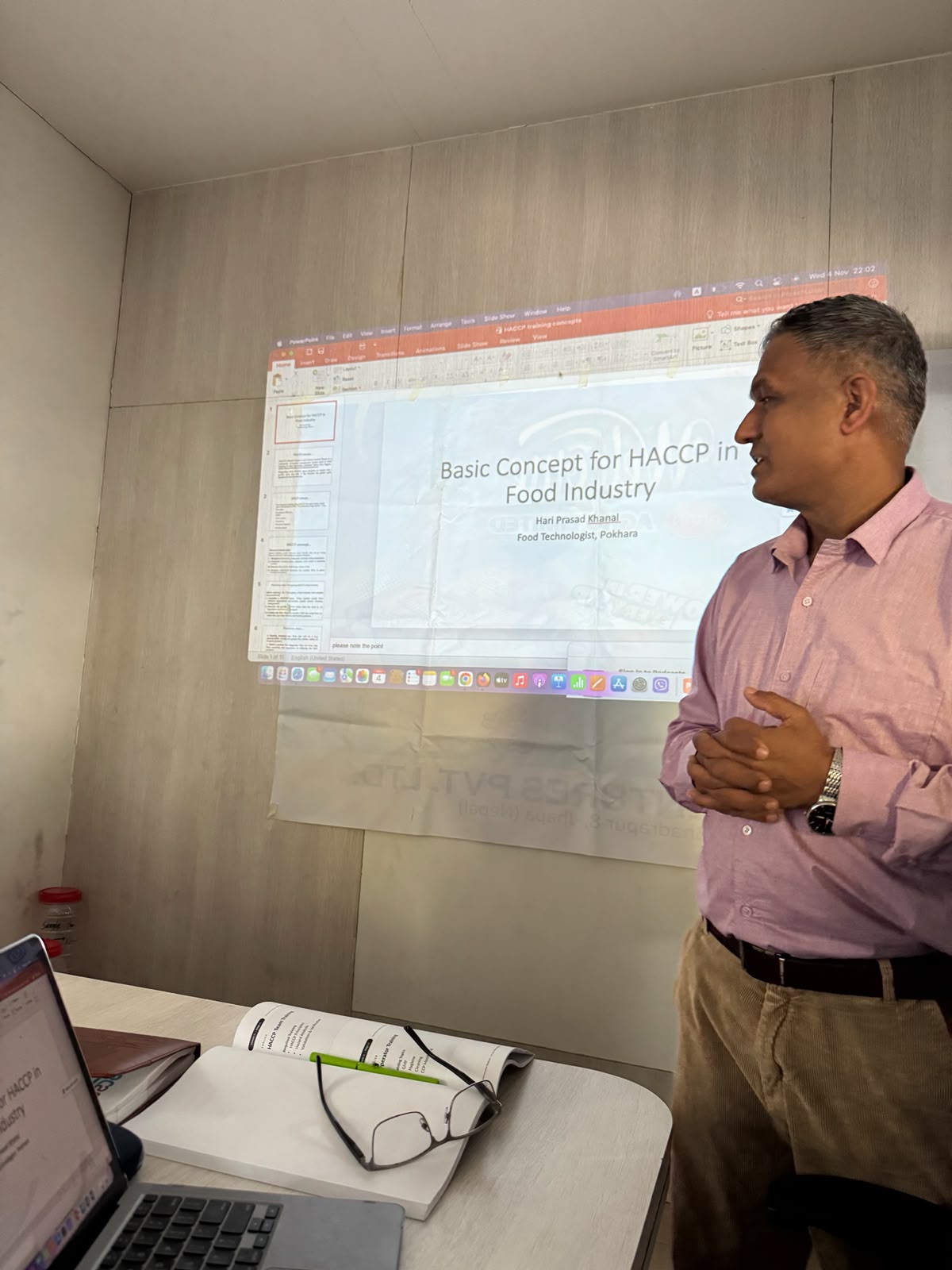
- A two-day prerequisite programme training and a three-day ISO 22000/HACCP training.
- Practical advice on improvements to facilities, hygiene and layout.
- Implementation support, coaching and follow-up of corrective actions.
- An internal audit and final assessment to evaluate effective implementation and readiness for a next step towards external assessment or certification.

Relevant Sustainable Development Goals (SDGs)
SDG 2 – Zero Hunger: Strengthening food safety management contributes to the availability of safe, quality food and supports the professional development of Nepal’s food-processing sector.
SDG 3 – Good Health and Well-being: Systematic identification, control and monitoring of food safety hazards helps reduce the risk of unsafe food reaching consumers.
SDG 4 – Quality Education: Targeted training and hands-on coaching strengthen the knowledge and skills of KRS Venture’s management and staff in prerequisite programmes, ISO 22000 and HACCP.
SDG 8 – Decent Work and Economic Growth: More professional food safety and business processes can strengthen KRS Venture’s competitiveness and support access to professional and higher-value markets.
SDG 9 – Industry, Innovation and Infrastructure: The project strengthens management systems and production processes and provides practical recommendations for improving the processing facility and infrastructure where needed.
SDG 12 – Responsible Consumption and Production: Better control of raw materials, production, hygiene, traceability and non-conformities supports a more controlled and responsible production process.

Involved organisations
Food Quality Solutions Nepal (FQS) is Q-Point’s local implementation partner. FQS provides on-site support to KRS Venture with assessments, implementation of procedures and prerequisite programmes, training, coaching, record-keeping, and follow-up of improvement actions. Q-Point provides international ISO 22000 expertise, technical guidance and quality assurance.
The FQS team consists of:
- Hari Prasad Khanal – Senior Food Safety Specialist
- Dharma Raj Panthi – Local coordinator
Commissioner
International Finance Corporation (IFC), World Bank Group. IFC provides investment and advisory services to businesses in emerging markets. Through its agribusiness and food safety activities, IFC supports companies in strengthening food safety, business performance and market readiness.
Duration
September 2026 – May 2027
Impression of the project
Curious to know more?
These Q-Point experts are involved and happy to talk to you:
Olivia Ansenk
Adviseur kwaliteits- en voedselveiligheidssystemen en duurzaamheid
More about Olivia
Monique Schoone
Senior adviseur voedselveiligheidssystemen en duurzaamheid
More about Monique
Call us at +31 (0)317 491581 or send an email to info@q-point-bv.nl