The GFSI Position Paper 2026 clearly positions food safety culture as an integral part of food safety management.
The message is clear: food safety is not determined solely by procedures and records, but by the combination of values, leadership, behaviours, risk awareness, and the ability to drive continuous improvement.
What does this mean in practice?
🔹 Food safety is visibly embedded in policies and decision-making.
🔹 Leaders lead by example and ensure the necessary resources are available.
🔹 Employees understand the risks, the control measures in place, and their own role in maintaining food safety.
🔹 Records, audits, complaints, and incidents are used as opportunities to learn and improve.
🔹 People feel able to raise concerns about non-conformities and potential risks.
🔹 Continuous improvement is part of everyday practice.
In addition, GFSI emphasises that developing a strong food safety culture requires a shift from a reactive to a proactive approach. Organisations are encouraged to identify both their strengths and opportunities for improvement, enabling them to take targeted action to further strengthen their food safety culture.
Our quality management system consultants are happy to help you integrate food safety culture even more effectively into your food safety management system.
Curious to know more?
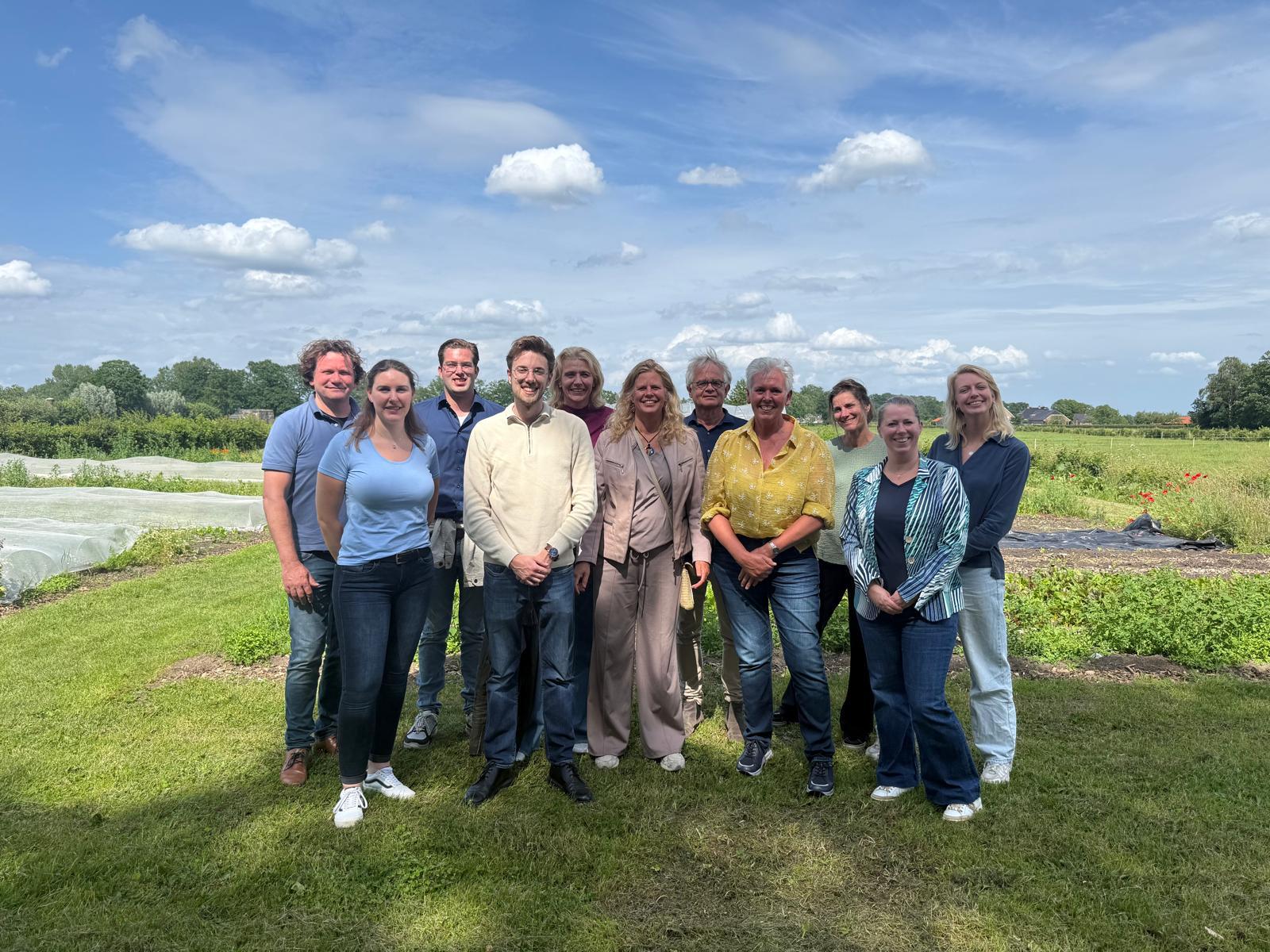
These Q-Point experts are involved and happy to talk to you:
Alma Ruting
Senior consultant quality and food safety systems
More about Alma
Olivia Ansenk
Consultant quality and food safety systems and sustainability
More about Olivia
Mark Bos
Senior consultant value chain management and quality and food safety systems
More about Mark
Monique Schoone
Senior consultant food safety systems and sustainability
More about Monique
Fabienne Hins
Senior consultant food safety and quality systems
More about Fabienne
Yvette Schravesande
Consultant food safety and quality systems
More about Yvette
Tomas Langhout
Consultant food safety and quality systems
More about Tomas
Bob Lagerwerf
Junior consultant food safety and quality systems
More about Bob
Call us at +31 (0)317 491581 or send an email to info@q-point-bv.nl
Related news
-
Following the journey of fresh vegetables in Bangladesh
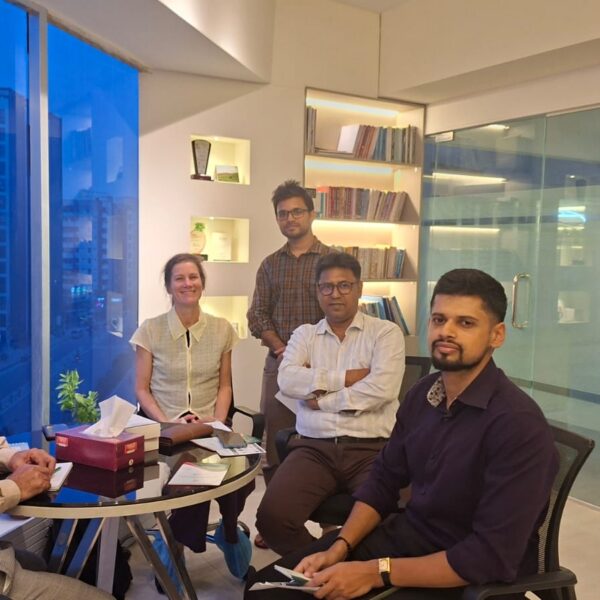
Q-Point’s Olivia Ansenk visited Malik Seeds in Bangladesh to assess vegetable traceability, explore opportunities for digitalisation and review requirements for local sales and future exports.
-
Quality control in the fresh produce sector: looking beyond appearances
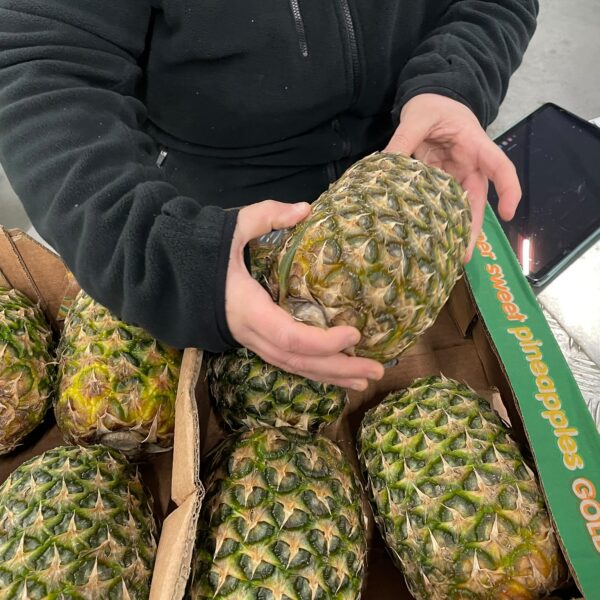
Our colleague Yvette recently helped a fresh produce business carry out quality checks and report the results. Drawing on her hands-on experience, she coached a member of staff on the job, showing them how to apply the key principles of quality control.
-
Inspiring conversations in Kenya
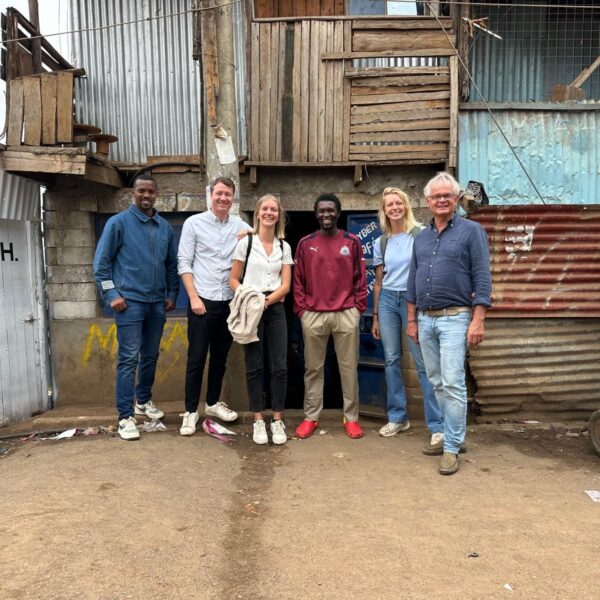
Last week, our team visited several partners and projects in Kenya. During inspiring meetings, we discussed ongoing projects, new opportunities and recent developments. We also saw how local initiatives, such as the urban farm in Kibera, continue to grow and develop.