Look beyond what you already know
When developing a new facility, the starting point is often based on existing processes and familiar technologies. However, a new-build or refurbishment project presents an ideal opportunity to reassess the technologies now available.
Take advances in pasteurisation technology, for example. By comparing different options early in the design phase, you can select a process that best suits the product, required shelf life, production capacity and food safety requirements.
Design your high-care area with cleaning in mind
The high-care area is one of the most critical parts of a catering or production kitchen. This is where products are handled after a key control step, meaning any recontamination can have serious consequences.
A well-designed facility should therefore make thorough, frequent cleaning as straightforward as possible. Key considerations include:
- Smooth walls and surfaces that are easy to clean;
- Floors with adequate slopes to prevent standing water.
- Easily accessible drainage systems that can be effectively cleaned and disinfected.
- Sufficient, well-designed ventilation and extraction to ensure that areas cleaned using wet methods can dry quickly, even at lower temperatures.
- Effective airflow management, with separate ventilation or extraction for high-care areas where necessary.
Give careful thought to the layout of your wash-up area
A well-planned layout helps ensure that dirty and clean equipment and utensils remain properly separated, both physically and throughout the cleaning process.
By establishing a logical, one-way flow from dirty to clean and incorporating a well-designed washing and drying tunnel, you can minimise the risk of cross-contamination.
It is not just the equipment itself that matters. The positioning of entry and exit points, staff movement routes, airflow, drainage and the separation between dirty and clean areas all play an important role.
Some of the best hygiene measures start at the drawing board
Getting the design right from the outset can help avoid the need for complicated cleaning procedures, additional control measures and costly modifications later on.
Is there a common challenge or practical food safety tip you would like us to cover? Let us know, and we may feature it in a future edition of From issue to insight.
Curious to know more?
These Q-Point experts are involved and happy to talk to you:
Bob Lagerwerf
Junior consultant food safety and quality systems
More about Bob
Monique Schoone
Senior consultant food safety systems and sustainability
More about Monique
Call us at +31 (0)317 491581 or send an email to info@q-point-bv.nl
Related news
-
World Algea day!
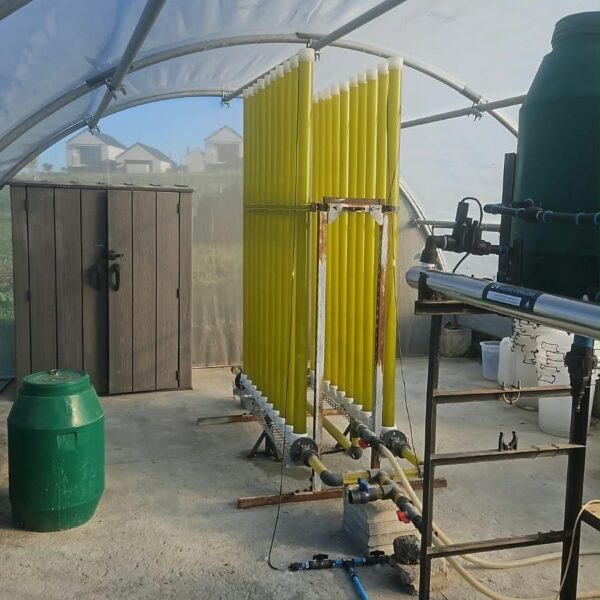
Exciting progress has been made in developing a horizontal photobioreactor (PBR) system for microalgae production.
-
Back in action!
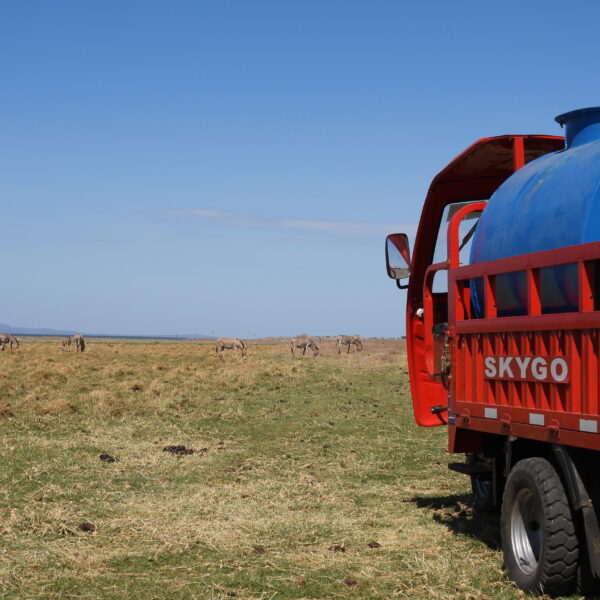
Q-Point and its partners are testing a mobile water filtration system in Kenya designed to provide clean and safe drinking water to remote communities. By training local operators and establishing community-based management, the project aims to create a sustainable and self-sufficient water solution.
-
On the road with Q-Point: Fabienne
Join Q-Point consultant Fabienne for a varied working week filled with audits, food safety, legislation and practical quality advice.

