Context
Over the years, Kenya’s floriculture industry has faced a range of challenges, including negative publicity and strict sanitary and phytosanitary (SPS) regulations, which have limited market access. Currently, the sector is contending with high freight costs, multiple taxes, rising energy prices and increasingly stringent SPS requirements across various markets.
To continue delivering value to its members, KFC has developed a new strategic plan. A key component of this plan is the development of a comprehensive data collection and management system. This system is essential for the effective representation of its members. KFC engages with a wide range of stakeholders, including government agencies, buyers, members and participants in both national and international forums. These engagements aim to advance goals such as market access, competitiveness, advocacy and information-sharing with members.
Without aggregated data on the performance of its members, KFC cannot adequately represent or advocate on their behalf.
Involved organisations
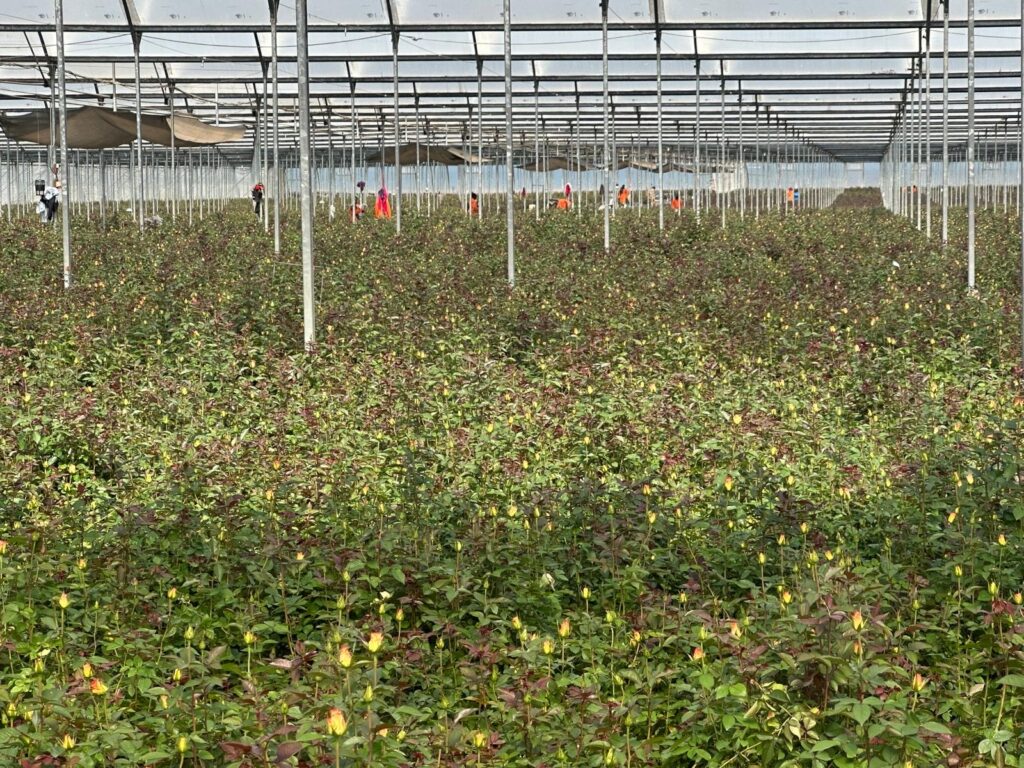
The Kenya Flower Council (KFC), established in 1996 by Kenyan cut-flower growers and exporters, is a business membership organisation representing 80% of the country’s flower industry. Starting with just five members, KFC has grown to include 150 full members and 93 associate members.
Its members include large, medium and small-scale producers of roses and summer flowers, as well as breeders and propagators. Associate members provide essential services to the sector, such as airlines, logistics providers and banks, with a recently added category for development partners.
The organisation’s mission is to deliver value to its members through compliance, advocacy, innovation and communication. Its vision is for Kenya to be recognised as home to the world’s best flower growers.
Project goal and outputs
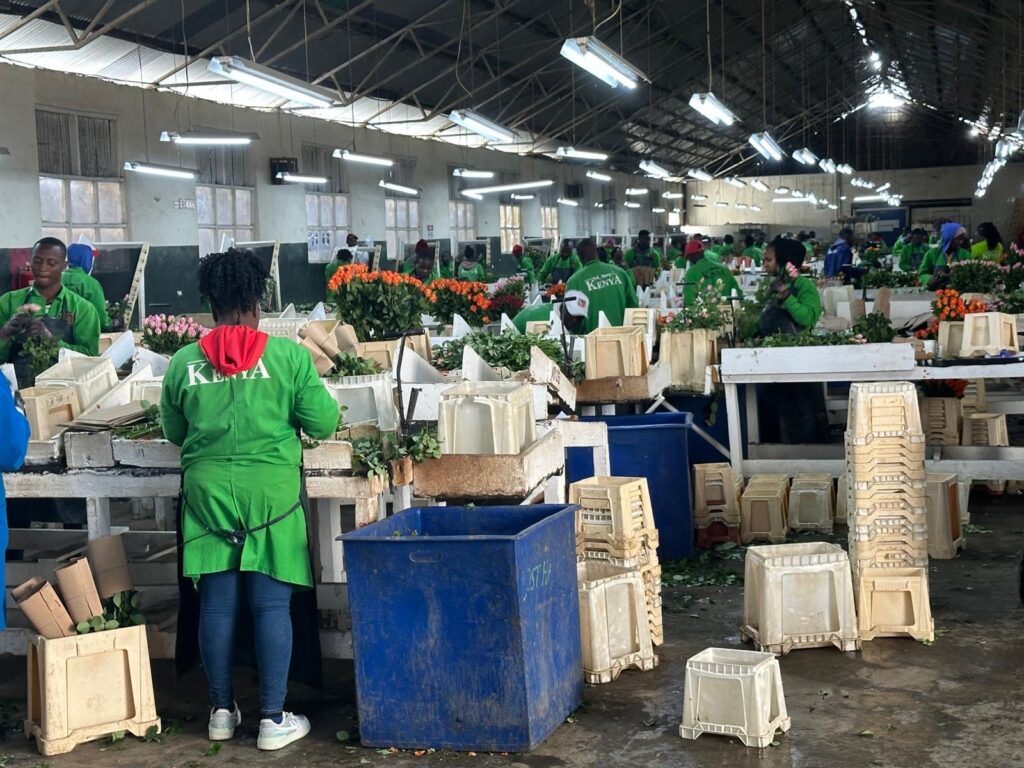
The overarching aim of this project is to develop and implement a data collection and management strategy at KFC, to provide the floriculture sector with high-quality and efficient data.
Q-Point designed a data collection and management strategy aligned with the strategic priorities of KFC. This strategy included a critical assessment of urgent data needs (must-haves) versus non-essential (nice-to-have) elements, and translated these into a practical implementation roadmap. The approach took into account the access to existing data sources (e.g. export volumes, interceptions), KFC’s internal capacity to collect, store, process and update data, and its ability to outsource certain aspects of this work.
Partners

Curious to know more?
These experts are happy to talk to you:
Carel Jaspers
Director Q-Point
More about Carel
Alma Ruting
Senior consultant quality and food safety systems
More about Alma
Feline Heussen
Consultant sustainable and inclusive agri-food chains
More about Feline
Call us at +31 (0)317 491581 or send an email to info@q-point-bv.nl