Context
Food safety and access to high-value markets depend on the ability to trace products throughout the supply chain. From farming and harvesting to processing, packaging and distribution, reliable information about product origins and handling helps businesses maintain quality, manage food safety risks and meet buyer requirements.
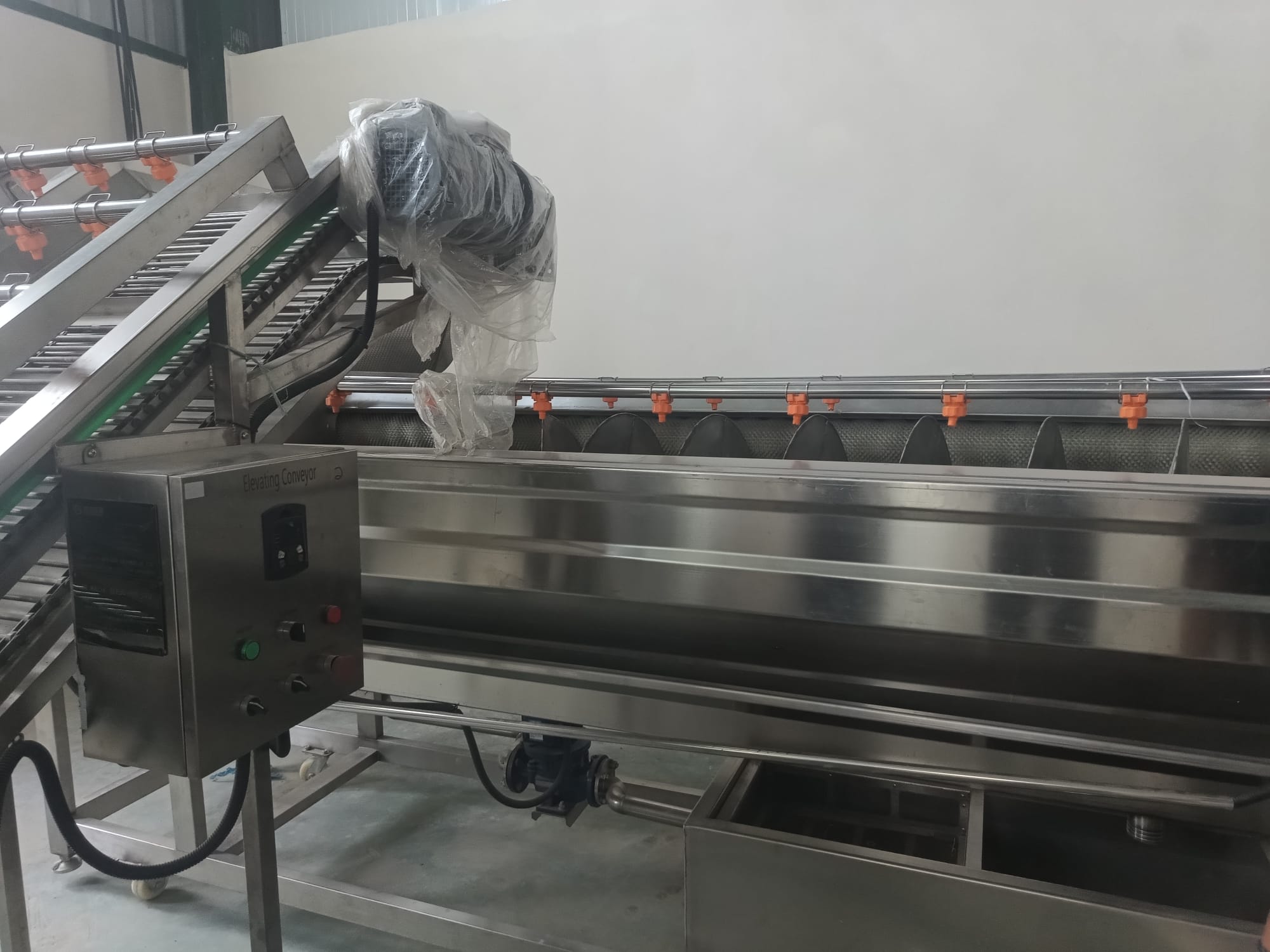
In Bangladesh, Malik Seeds is further developing its vegetable value chain, including a processing facility in Gaibandha. A digital traceability system will help connect information across different stages of the supply chain, strengthening food safety management and supporting access to premium domestic and export markets.
This assignment forms part of the Impact Cluster: Upgrading Bangladesh’s Vegetable Value Chain, a Dutch-Bangladeshi initiative focused on improving post-harvest technologies, agro-logistics, food safety and market opportunities. The wider initiative brings together Dutch expertise and local businesses to reduce post-harvest losses, improve product quality and strengthen the competitiveness of Bangladesh’s vegetable sector.
Project goal and outputs
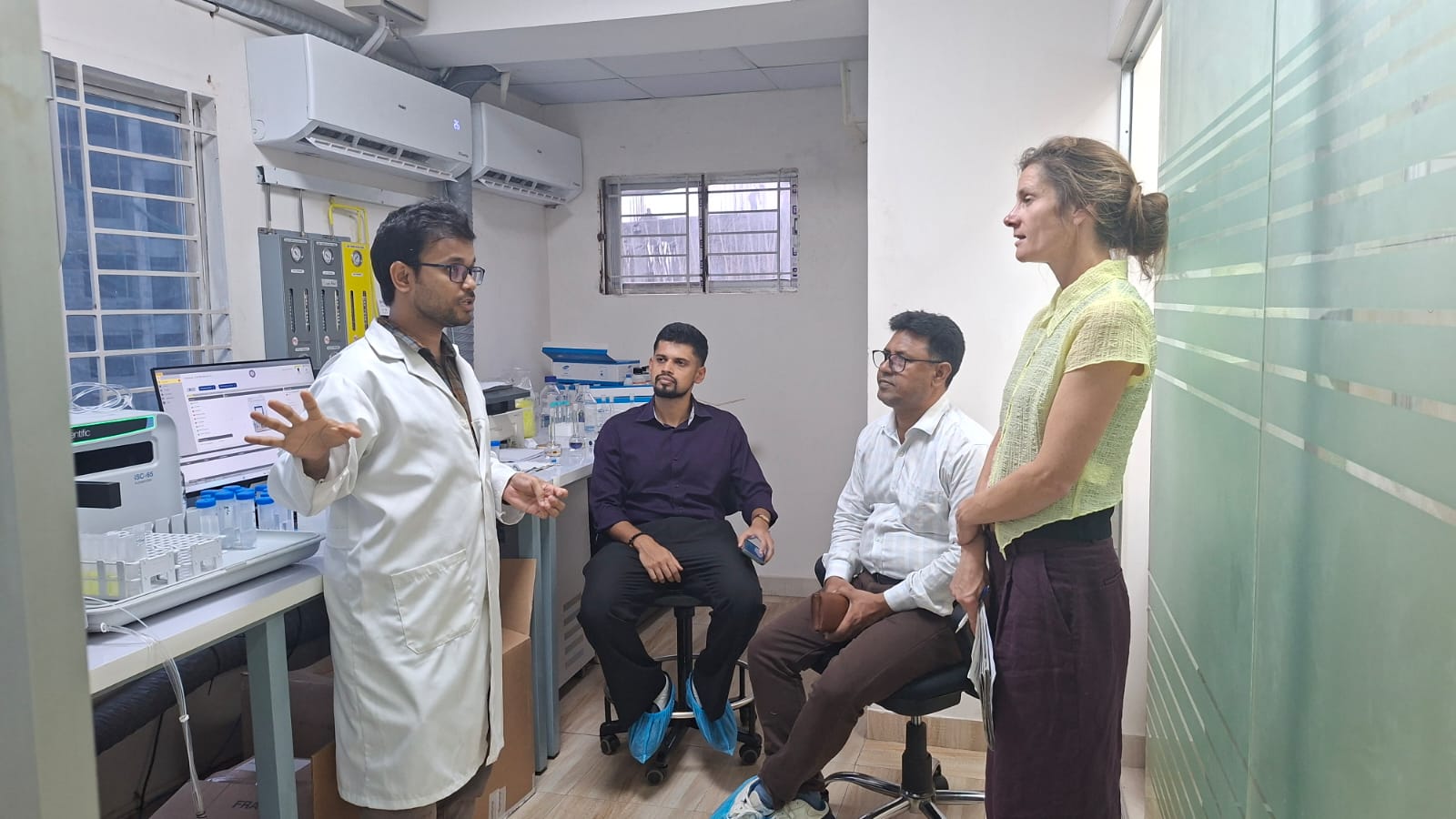
The project aims to strengthen traceability throughout Malik Seeds’ vegetable supply chain. Q-Point assesses how products and related information currently move through the supply chain, what information is recorded and where improvements are needed.
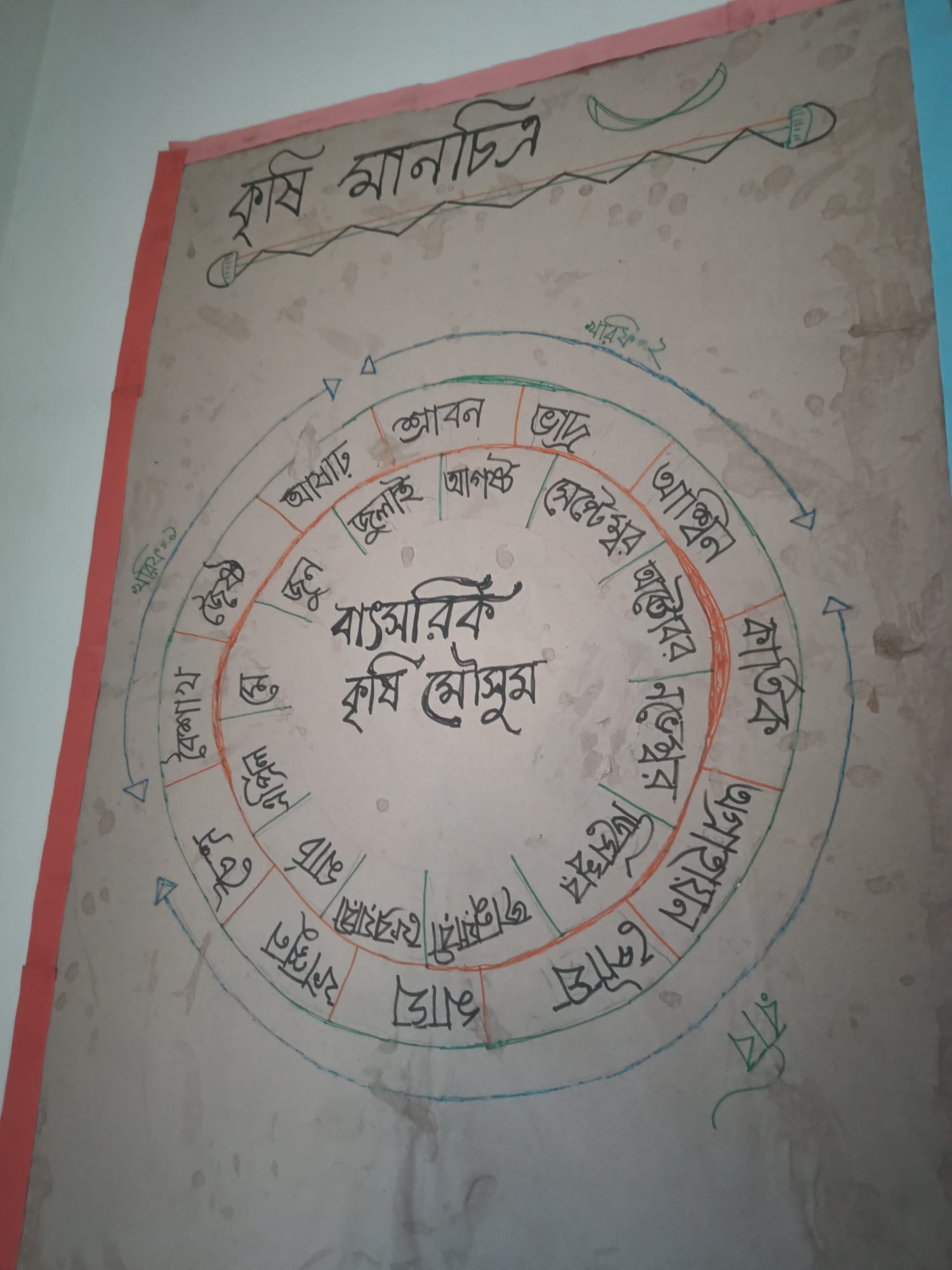
The assessment covers selected stages of the vegetable value chain, from farming and harvesting to collection, transport, processing, packaging and distribution. Q-Point reviews existing procedures, reporting systems, data management practices and relevant food safety and market requirements.
Based on the findings, Q-Point identifies key traceability gaps and translates these into practical system requirements for software developer Brain Station 23. Q-Point also provides targeted advisory support to help the developer understand sector-specific traceability requirements and their practical application within vegetable supply chains.
The main outputs include:
- A baseline assessment of existing traceability procedures, reporting systems and data management practices within Malik Seeds’ vegetable supply chain.
- An analysis of traceability gaps and improvement needs related to food safety and relevant market requirements.
- A set of practical and technical system requirements to inform the development of the digital traceability system.
Targeted advisory support to Brain Station 23 on translating traceability requirements into a practical digital solution.

Relevant Sustainable Development Goals (SDGs)
SDG 3 – Good Health and Well-being: The project supports improved food safety and quality management in the vegetable supply chain by strengthening the traceability of products and production information.
SDG 8 – Decent Work and Economic Growth: Improved traceability can help vegetable producers and supply chain businesses meet the requirements of higher-value domestic and international markets.
SDG 9 – Industry, Innovation and Infrastructure: The digital traceability system connects information across different stages of the vegetable supply chain.
SDG 12 – Responsible Consumption and Production: By improving visibility into product origins and handling, the project contributes to greater supply chain transparency, quality management and responsible production practices.

Involved organisations
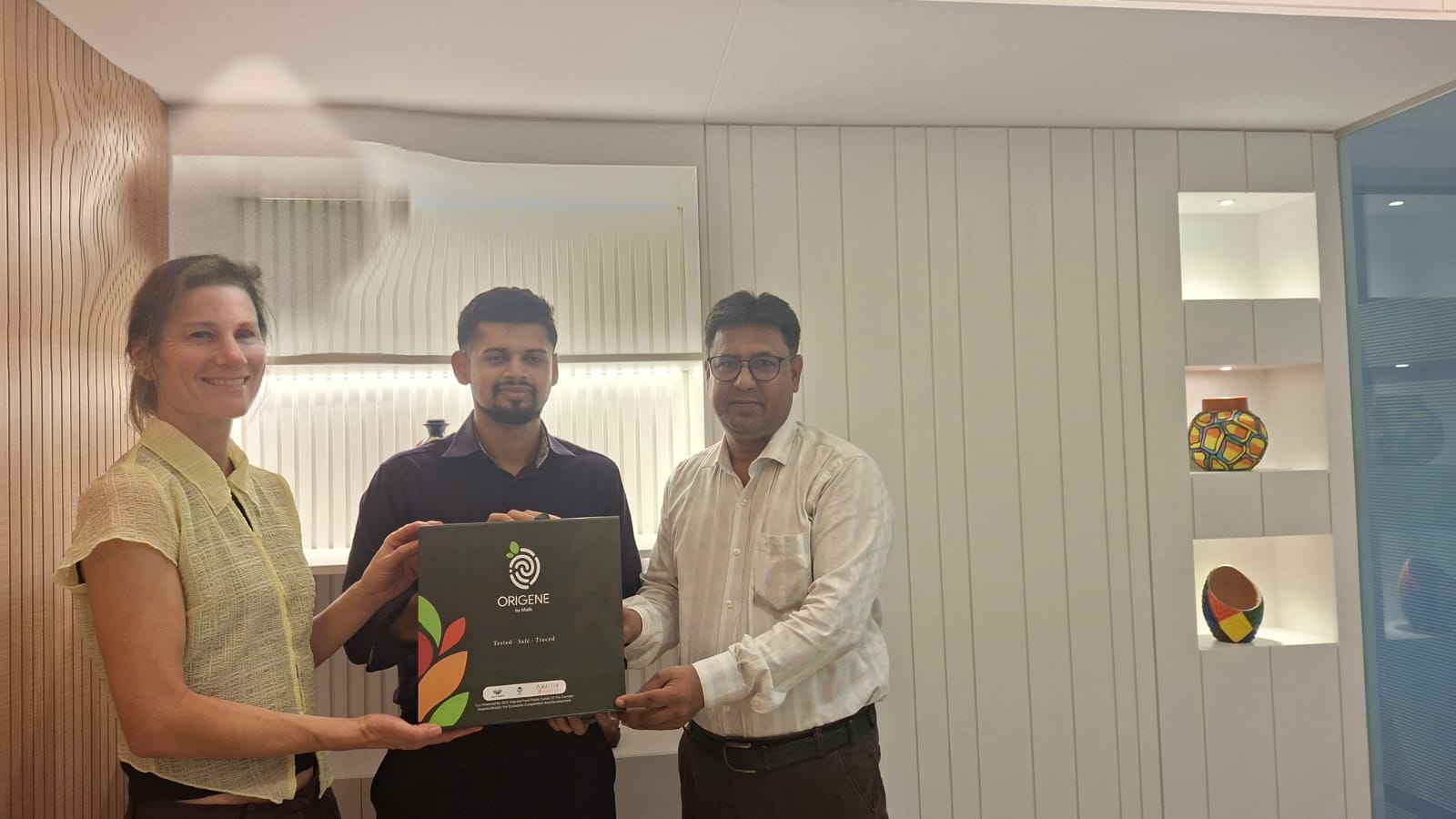
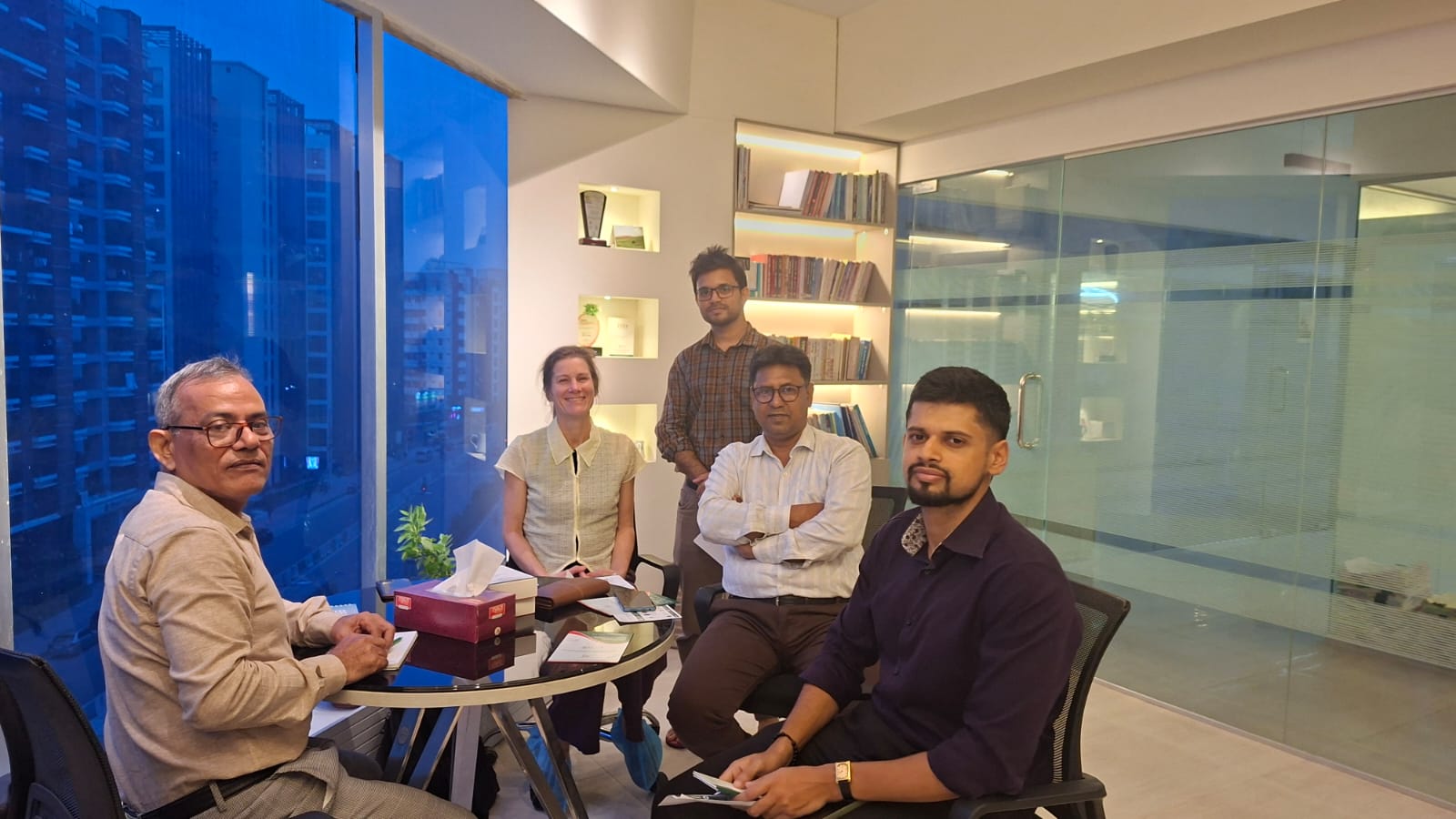
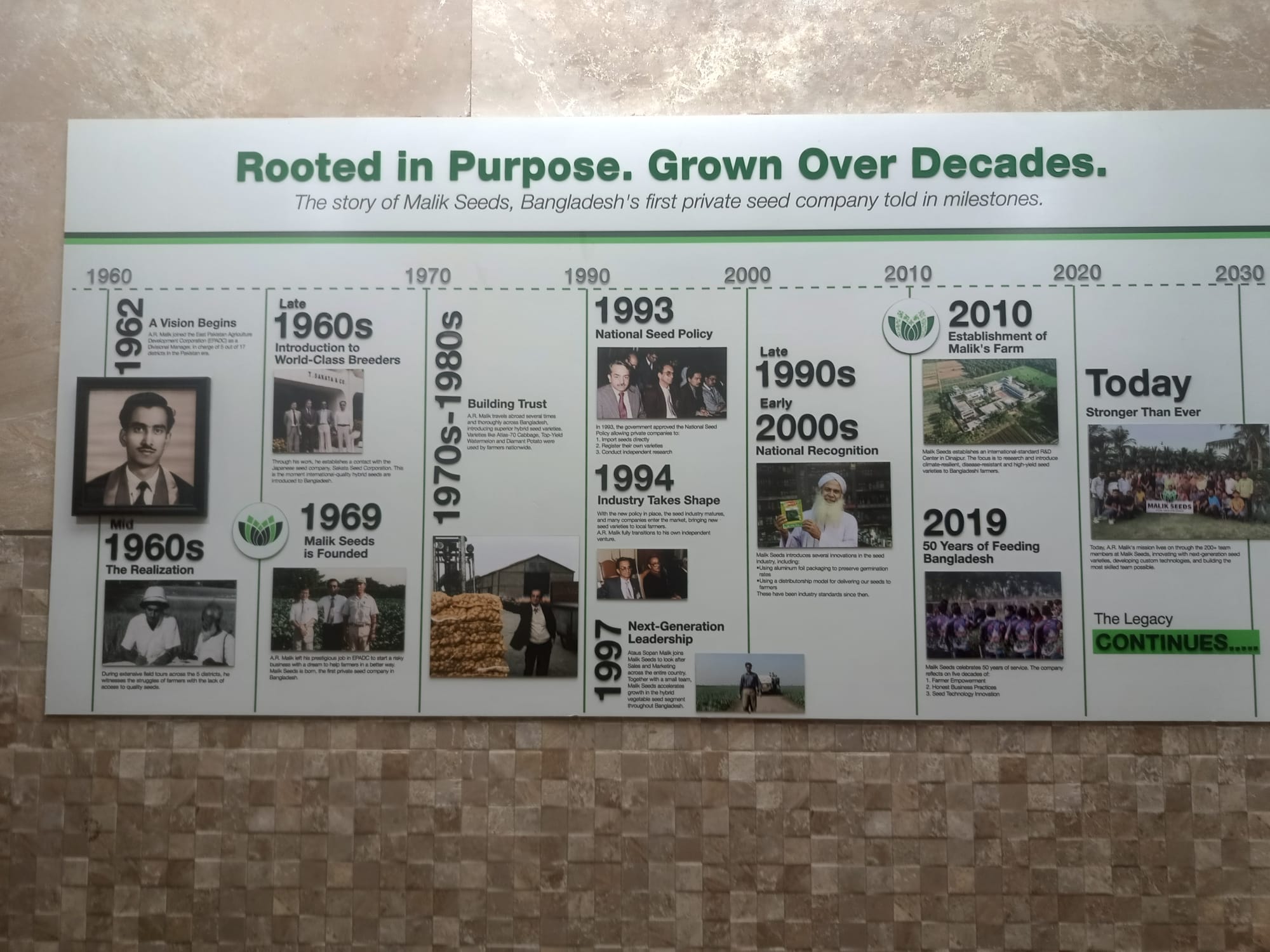
Malik Seeds is a Bangladeshi agricultural company, specialising in the development, production and distribution of high-quality vegetable and seed potato varieties. Beyond its seed business, Malik Seeds is developing a professional vegetable supply chain, with a focus on food safety, quality management and processing. As part of this project, the company is working towards a digital traceability system for its vegetable supply chain, including its processing facility in Gaibandha.
Brain Station 23 is a software developer and is responsible for developing the digital traceability system.
Advance Consulting supports the coordination of the assignment within the Agro Logistics Impact Cluster.
Commissioner
Consortium Impact Cluster Agrologistics Bangladesh
Duration
October – December 2026
Impression of the project
Curious to know more?
This Q-Point expert is involved and happy to talk to you:
Olivia Ansenk
Adviseur kwaliteits- en voedselveiligheidssystemen en duurzaamheid
More about Olivia
Call us at +31 (0)317 491581 or send an email to info@q-point-bv.nl